How Rubber Components in a Car Age and Why It's Dangerous
Rubber parts age naturally over time – even if the car is rarely driven.
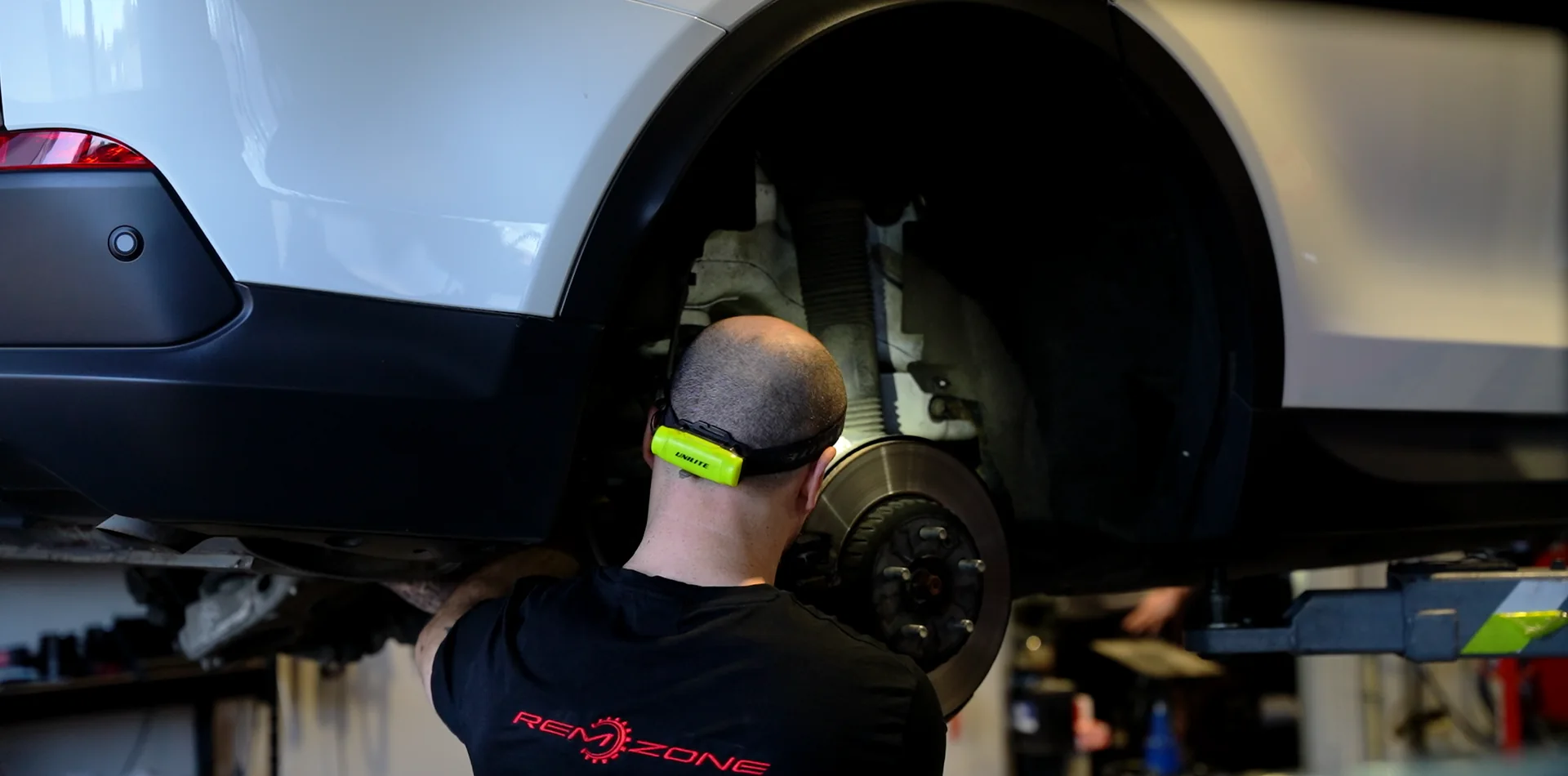
Many drivers believe that if the tread is in good condition, then the tire is fine as well. However, rubber components in a car wear out even when the vehicle is hardly used. This applies not only to tires. Changes in the material occur under the influence of various factors (oxygen, excessively low or high ambient temperatures, pressure, precipitation, and others). At our car service center in Warsaw we have been repairing vehicles for over 5 years. Our specialists always advise customers to check the actual shelf life of tires to understand when it’s time to replace a set, even if there are no visible signs of wear.
What Rubber Components Are in a Car and How Do They Wear Out?
A car contains dozens of parts made of rubber or rubber-based materials. The main ones include: door and window seals, hoses, silent blocks (bushings), suspension bushings, CV joint boots, shock absorber bushings, drive belts and timing belts, gaskets, and oil seals. Each of these components performs its own function, and even slight deterioration can lead to serious breakdowns.
Rubber aging is a natural physical and chemical process that cannot be stopped. Over time, the material loses elasticity, becomes rigid, develops cracks, and loses strength and resistance to stress. As a result of these processes, rubber hardens and deteriorates from within. Even if a part still looks fine, its properties worsen.
Why Rubber Aging Is Dangerous
Ignoring the aging of rubber components can lead to serious problems. For example, in our practice, we often encounter leaks of oil, fuel, or coolant in customers’ vehicles due to ruptured hoses. This affects the engine, worsens vehicle handling, and accelerates the wear of related components. For instance, when rubber loses elasticity, road grip decreases, braking distance increases, and the risk of an accident rises significantly.
Service Life of Rubber Components
Rubber does not have a universal service life. Much depends on the type of component and operating conditions.
Average guidelines are as follows:
- hoses wear out in about 3–5 years;
- silent blocks – 4–8 years;
- belts – also 3–5 years;
- seals – from 5 to 10 years;
- tires – 5–7 years.
Why Driving on Old Tires Is Dangerous
5 years of use is the absolute limit, and we usually recommend replacing tires earlier. After 5 years of active use, significant deviations from normal performance become noticeable. Driving on old tires is not recommended even in summer on dry, smooth roads, as there are always risks: loss of traction, formation of microcracks that can turn into deep ruptures over time, risk of depressurization, and deformation. Over the years, tires become less resistant to loads.
How to Determine the Shelf Life of Rubber
At “RemZone,” we always recommend accurately determining the production date of rubber. To find the shelf life, you need to locate the manufacturing date. This is quite simple. Every tire has a marking with a special DOT code that contains information about the manufacturer and the production date. For example, the code X0 4B 1522 means “manufactured in 2022, week 15.”
Factors That Accelerate Rubber Aging You Should Know About
The influence of certain factors can significantly reduce the lifespan of rubber. Extremely low or high temperatures have a negative effect, and long periods of inactivity also harm rubber condition. Oils and chemical agents reduce the durability of rubber. Constant exposure to ultraviolet radiation accelerates cracking and destroys the material structure.
How to Extend the Lifespan of Rubber: Tips from RemZone Mechanics
It is possible to slightly extend the service life of rubber components in a car. We recommend regularly inspecting all rubber parts, using silicone-based products to care for seals, changing fluids on time, avoiding long periods of vehicle inactivity even in a garage, and protecting the car from direct sunlight and precipitation. These are simple and accessible actions that genuinely extend the lifespan of components.
Need a mechanic's advice?
Chassis repair →