Case Study: Hose Replacement on a BMW X7 G07, 2019, 4.4 V8 Biturbo
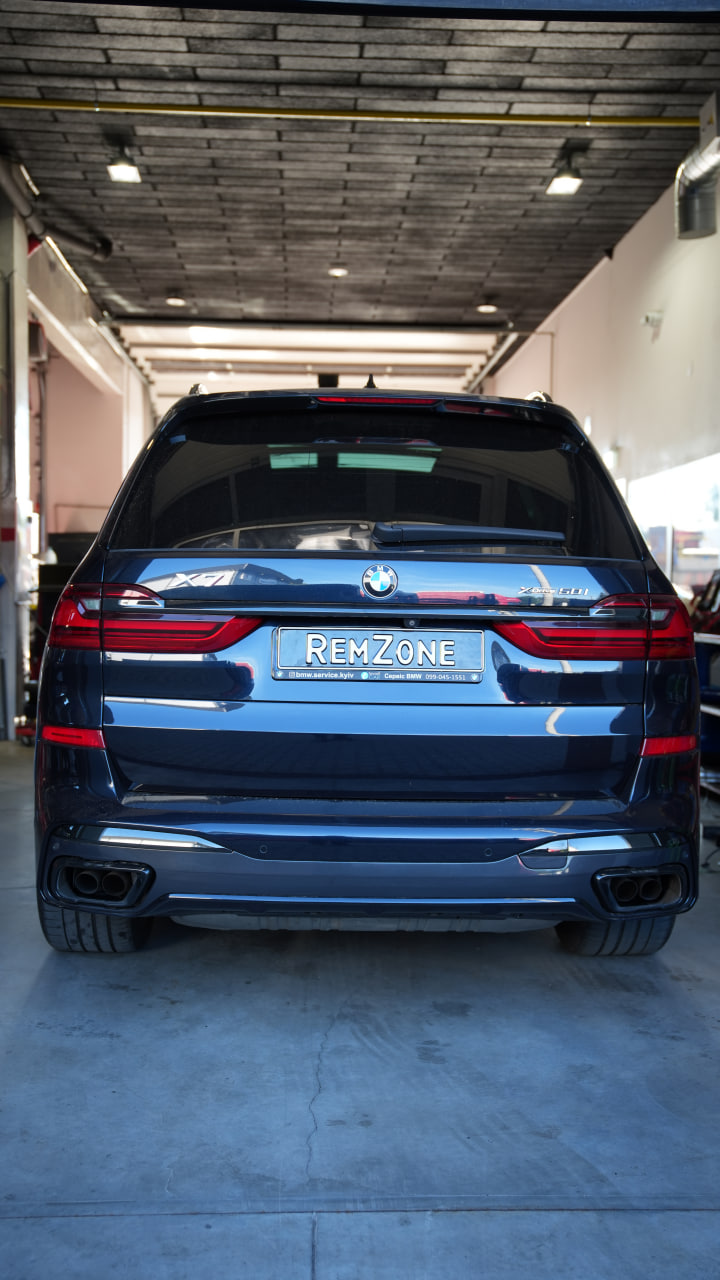
A 2019 BMW X7 G07 with a 4.4 V8 Biturbo engine and 150,000 km on the odometer arrived at our shop. The car came to us following a rather complex and dangerous situation that could have resulted in a costly engine overhaul.
A 2019 BMW X7 G07 with a 4.4 V8 Biturbo engine and 150,000 km on the odometer arrived at our shop. The car came to us following a rather complex and dangerous situation that could have resulted in a costly engine overhaul.
Breakdown History
The owner of the BMW was driving on the highway during a vacation trip when he heard a strange noise from under the hood, which he described as sounding like a mini-explosion. Immediately after, hot coolant under high pressure sprayed into the engine compartment. Steam began pouring out from under the hood, and the engine temperature started rising right before his eyes. The owner knew how to react, so he quickly pulled over and shut off the engine. Remarkably, he did not attempt to push it a bit further—as drivers sometimes do in such situations—and immediately called a tow truck. As our mechanic noted during diagnostics and repairs, it was precisely this decision that saved the engine. Had he driven even a few more minutes without proper coolant circulation, the overheating could have caused severe damage to the cylinder head, gaskets, or the engine block itself.
Diagnostics at the RemZone Service Center
First, we performed a complete cooling system diagnostic and pinpointed the root cause of the breakdown: degraded hoses connecting the radiator to the engine, which led to a major coolant leak. It is worth noting that on N63 engines, the cooling system operates under extreme conditions. We are dealing with a 4.4-liter V8 engine equipped with twin turbochargers, operating under a very high thermal load. Continuous heating and cooling cycles, combined with high temperatures and material fatigue, accelerate the degradation of these components. At various times, BMW has issued Technical Service Bulletins (TSBs) regarding the cooling system for certain versions of the N63 engine. For a vehicle with this mileage and age, we always inspect the condition of the hoses, plastic connectors, and other cooling system components separately. However, this does not mean that every X7 requires a hose replacement at 150,000 km. Such decisions are made based on component condition and diagnostic findings.
Work Completed
Following the diagnostics, the customer approved the replacement of the two damaged hoses with new, genuine BMW parts. The work scope included:
Removing the damaged hoses;
Installing the new parts;
Refilling the cooling system with fresh coolant;
Bleeding air from the system;
Performing a system leak check;
Starting the engine and monitoring its performance;
Monitoring temperatures post-repair.
The hose replacement itself took approximately 3.5 hours. Original parts were sourced through official BMW dealers, with delivery taking about three days. The labor cost totaled 250 PLN. The cost of the replacement parts is not included in this amount.
Post-Repair Verification
After installing the new hoses, the cooling system was filled and properly bled. A pressure leak test was then performed. During the final inspection, no new traces of leaks were detected. The engine operated normally, and temperatures remained well within spec. Diagnostic results confirmed no signs of engine damage resulting from the overheating incident. The vehicle was returned to the owner after completing all repair and quality control checks.
Comment from RemZone Lead Master Technician, Alexander
"In this scenario, it was crucial that the driver refrained from continuing to drive once steam appeared and temperatures started rising. During a coolant loss event, attempting to drive yourself to a repair shop can cause engine temperatures to spike drastically. The safest course of action is to pull over safely, turn off the engine, and call a tow truck. When the car arrived, we first located the source of the leak and only then determined the scope of work required. After replacing the hoses, it is vital not just to top off the coolant, but to properly fill, bleed, and pressure-test the system for leaks."