Why Is a Car Losing Coolant? The Main Causes
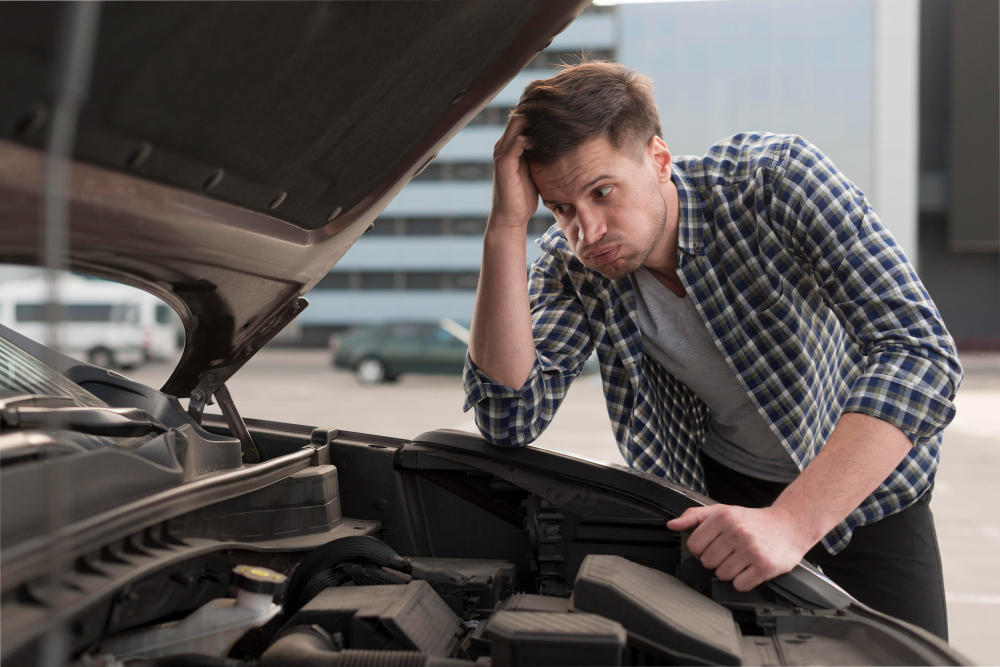
This situation is familiar to many car owners: you open the hood for a routine check and notice that the coolant level in the expansion tank has once again dropped below the minimum mark.
This situation is familiar to many car owners: you open the hood for a routine check and notice that the coolant level in the expansion tank has once again dropped below the minimum mark. Or, even worse, the engine temperature warning light comes on the dashboard, even though there is not a single sign of a puddle underneath the car.
A drop in coolant level is one of the most insidious problems. Sometimes, the cause is simply a loose hose clamp, but in other cases, a small leak may be the first sign of a blown head gasket or a worn water pump, potentially leading to a major engine overhaul.
In this article, together with Vladislav, the lead mechanic at our RemZone auto repair shop in Warsaw, we will discuss the 10 main causes of coolant loss and their characteristic symptoms.
How to Tell If Your Engine Is Losing Coolant
The signs of a coolant leak are not always immediately obvious. To assess the situation correctly, pay attention to the following symptoms:
Changes in coolant level when the engine is cold. Check the expansion tank only when the engine has completely cooled down and the car is parked on a level surface. Coolant expands as it heats up, so measurements taken with a hot engine may produce inaccurate results.
Traces underneath the car or on the underbody shield. Coolant can be red, green, blue, or yellow. However, color alone is not a reliable indicator: when mixed with dirt or engine oil, coolant loses its transparency.
An odor inside the cabin or under the hood. A sweet, pungent smell develops when coolant evaporates on hot engine components or leaks through the heater core.
Characteristic residue. White, colored, or crystallized deposits around hose connections, the thermostat housing, or the radiator are clear signs that coolant has evaporated.
Thick white vapor from the exhaust pipe. If the vapor does not disappear even after the engine has fully warmed up, it may indicate that coolant is entering the cylinders directly.
10 Causes of Coolant Loss
1. Damaged hoses, pipes, and clamps. Rubber hoses gradually harden, develop microcracks, and lose their elasticity due to constant temperature fluctuations. After years of diagnosing vehicles of various makes, we have noticed that many car owners complain about hoses leaking only while driving — when the temperature rises and pressure builds up in the cooling system. Once the car stops, the leak disappears, and the hose appears dry. The repair is usually straightforward and involves replacing the hose and clamp.
2. A leak in the radiator. The main radiator is exposed to impacts from road debris, winter road chemicals, and vibrations. Leaks most commonly occur where the plastic end tanks connect to the aluminum core. Our experience shows that if the crack is very small, the coolant evaporates almost instantly due to the hot airflow while driving. As a result, there is no puddle under the car, but the coolant level in the expansion tank continues to drop steadily. In most cases, the radiator needs to be replaced.
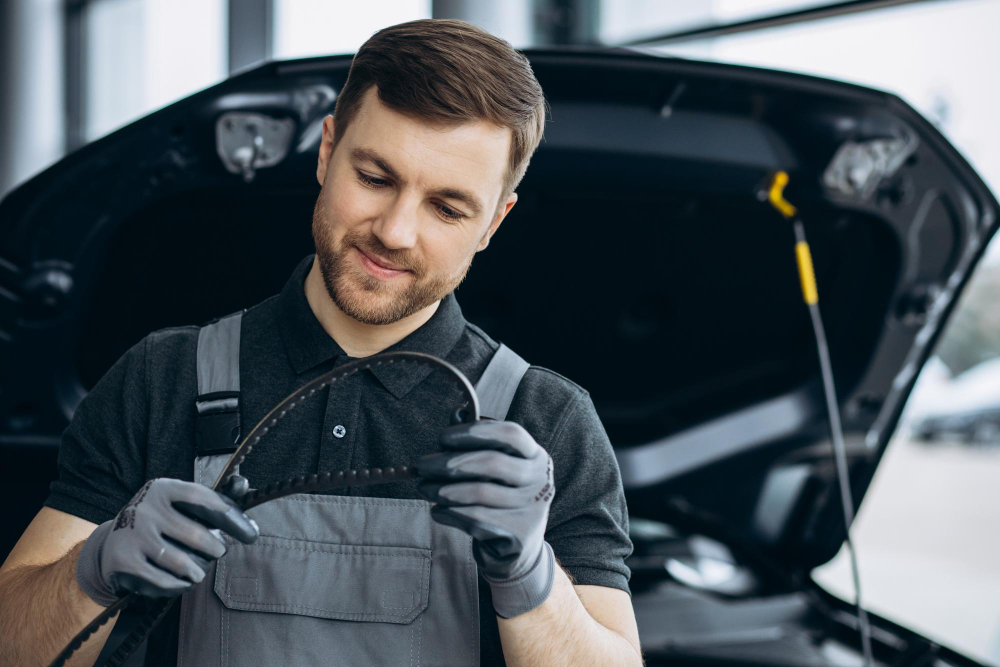
3. A worn water pump. The water pump ensures forced circulation of coolant throughout the system. Over time, its seal wears out, allowing coolant to seep through a dedicated drain hole in the pump housing. Signs of a faulty pump include leaks around the timing belt drive or auxiliary belt, play in the pulley, and unusual rustling or humming noises caused by a worn bearing. This fault can have serious consequences: if the pump seizes, it may cause the timing belt to break and damage the valves. We rate the repair as being of moderate to high complexity.
4. A faulty expansion tank cap. The cap is not just a plug; it is a two-way valve that maintains the required operating pressure in the cooling system, usually between 1.1 and 1.5 bar. If the valve becomes stuck open, the coolant may boil prematurely and evaporate. If it becomes stuck closed, excessive pressure may cause the hoses or radiator to rupture. The repair is straightforward and usually involves simply replacing the cap.
5. Cracks in the expansion tank. The plastic expansion tank is constantly subjected to pressure and high temperatures. Over the years, the plastic becomes brittle. Cracks typically develop in the lower section, around the hose connections, or along the factory seam.
6. A leak from the thermostat housing. In many modern vehicles, the thermostat housing is made of plastic. Over time, its flanges can deform or warp due to overheating, while the rubber seals lose their elasticity. Owners often request a thermostat replacement but leave the old, deformed plastic housing or worn gasket in place. As a result, the leak may return within just a few days. We recommend replacing these components as a complete set.
7. A damaged heater core. If coolant is disappearing, the engine bay is dry, but moisture appears in the footwell on the driver's or front passenger's side, the problem may lie with the heater core. This fault often causes the windows inside the cabin to develop a greasy film that is difficult to wipe off. A strong, sweetish smell may also become noticeable when the ventilation system is switched on. There is a risk of inhaling ethylene glycol vapors. We rate this repair as highly complex because the dashboard often needs to be removed.
8. A blown cylinder head gasket. This is one of the most serious engine failures. The gasket seals the joint between the engine block and the cylinder head. When it becomes damaged, coolant can enter the cylinders or the lubrication system. You may notice thick white smoke from the exhaust, a white, creamy oil emulsion (often called “mayonnaise”) on the oil filler cap, or pronounced bubbling in the expansion tank when the engine is revved. The repair usually requires engine disassembly, resurfacing the cylinder head, and checking it for microcracks.
9. Microcracks in the engine block or cylinder head. These can develop as a result of severe engine overheating or water freezing inside the cooling system during winter. Coolant enters the engine, and the symptoms are similar to those of a blown cylinder head gasket. However, replacing the gasket alone will not solve the problem. The repair is extremely complex because it may require replacing the engine block or restoring it through welding.
10. Leaks from auxiliary heat exchangers (the oil cooler or EGR cooler). Modern diesel engines and turbocharged gasoline engines are equipped with oil coolers and exhaust gas recirculation (EGR) coolers. If the EGR heat exchanger fails, coolant can evaporate directly into the exhaust system. You will not see any leaks underneath the car, but the coolant level will gradually decrease.
How Professional Diagnostics Work at the RemZone Auto Repair Shop
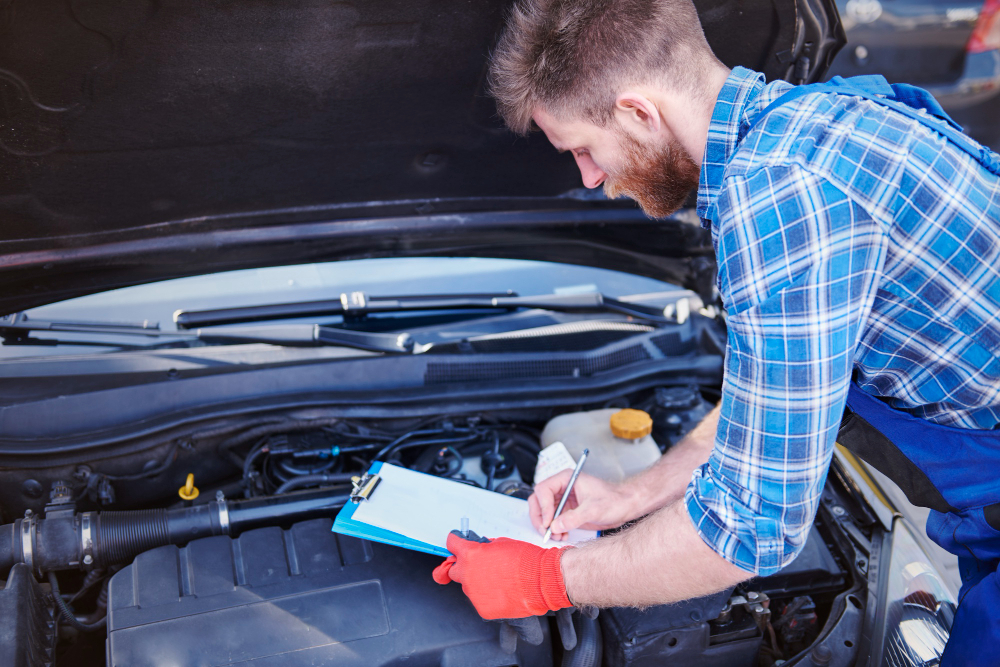
If the problem cannot be identified through a visual inspection, our workshop technicians use the following diagnostic methods:
Cooling system pressure testing. A hand-operated pressure pump with a gauge is used to pressurize the system through the expansion tank to its operating pressure (1.5–2 atm). Even the smallest microcrack can reveal itself through a leak or a pressure drop on the gauge while the engine is switched off.
Testing for carbon dioxide (CO₂) in the expansion tank. A special tester containing indicator fluid is installed in place of the expansion tank cap. If the fluid changes color from blue to yellow or green, exhaust gases are entering the cooling system, confirming a potential problem with the cylinder head gasket or a crack in the engine block.
Cylinder endoscopy. An endoscopic camera is inserted through the spark plug holes to inspect the combustion chambers. The piston in a cylinder that is receiving coolant usually looks exceptionally clean, with no visible carbon deposits.
If you notice a drop in coolant level, contact RemZone in Warsaw to have your cooling system and engine inspected. Our specialists will check for possible sources of the leak, determine the necessary scope of work, and recommend an appropriate repair solution.