Engine Overheating: Causes and First Steps for Drivers
An overheated engine is not a problem you can put off “until the weekend,” even if the temperature subsequently drops on its own. In our auto repair shop, we regularly see ...
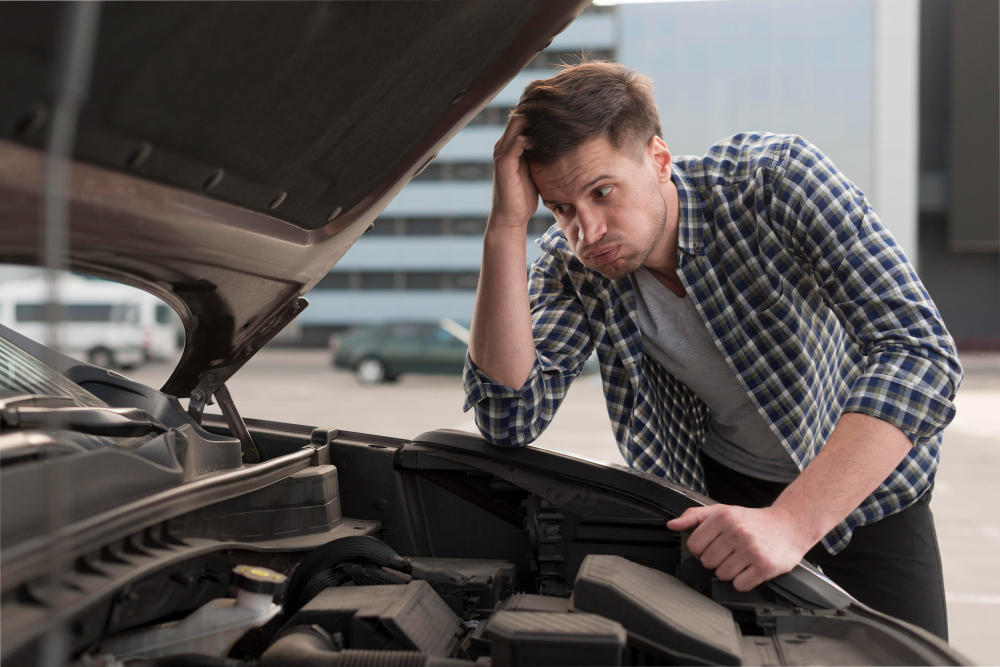
An overheated engine is not a problem you can put off “until the weekend,” even if the temperature subsequently drops on its own. In our auto repair shop, we regularly see how ignoring the first warning signs can turn a minor fault that could be fixed for a couple of hundred zlotys into the need for a major engine overhaul involving seized pistons or a warped cylinder head.
The problem often develops gradually and goes unnoticed: first, you notice the temperature gauge rising slightly above normal while stuck in traffic on Aleje Jerozolimskie, then a warning light appears on the dashboard, and a couple of days later, the engine overheats on the highway. The main rule we strongly recommend all our customers and blog readers follow is this: do not try to get home or reach a repair shop under your own power at any cost. Below is a clear, step-by-step guide explaining what to do immediately, along with an overview of why an engine loses its ability to cool properly.
The Main Causes of Engine Overheating: Practical Examples from “RemZone”
Over the years of operating our auto repair shop in Warsaw, we have developed our own statistics on vehicle breakdowns. Here are the most common causes of engine overheating that car owners come to us with:
Low coolant level or a coolant leak. Coolant does not simply evaporate for no reason: if the level drops, there is a leak somewhere. We have noticed that microcracks in plastic hoses or the expansion tank often become apparent only when the system is hot and under pressure. The fluid drips onto the scorching-hot exhaust manifold, evaporates instantly, and leaves no puddle under the car. The only remaining sign may be a faint, sweetish smell inside the cabin.
Clogged radiators or what is known as a “dirt sandwich.” In urban conditions, over two to three years, a dense felt-like layer of dust, fluff, and road salt can accumulate between the main radiator and the air-conditioning condenser. Based on our experience, in 40% of the cases we handle during the summer, the engine overheats simply because the radiator fins are clogged. The radiator may look clean from the outside, but a dense layer of dirt can form between its sections, restricting airflow. We solve this problem by carefully flushing the radiator after removing it.
A seized thermostat. The thermostat directs coolant through either the small circuit (inside the engine block) or the large circuit (through the radiator). If it gets stuck in the closed position, the coolant simply cannot reach the radiator. The main symptom is that the radiator and lower radiator hose remain cold while the engine overheats.
Cooling fan failure. This is particularly relevant in Warsaw traffic jams during hot weather, when there is no natural airflow from driving. Possible causes include a blown fuse, a failed relay, a seized fan motor, or corroded wiring — a common problem in vehicles exposed to road salt during winter. Important: never check the fan blades with your hands! In many modern cars, the fan can switch on automatically even when the ignition is off.
Wear or failure of the water pump. The water pump circulates coolant throughout the system. If the drive key shears off, the impeller breaks (especially if it is made of plastic), or the bearing fails, coolant circulation stops. In this situation, the engine overheats while the cabin heater blows icy-cold air.
An airlock in the cooling system. Air can enter the system after an improperly performed coolant replacement or through leaking connections. An air pocket blocks the normal circulation of coolant.
A faulty expansion tank cap. The cap contains a valve that maintains the operating pressure in the cooling system (approximately 1.1–1.5 bar). This pressure raises the coolant's boiling point from around 100°C to 120–125°C. If the valve becomes stuck in the open position, the coolant will boil much sooner.
A damaged cylinder head gasket. This is one of the most unpleasant types of engine failure. Combustion gases escape from the cylinders into the cooling jacket, literally forcing coolant out of the system. Signs of this problem include thick white smoke or steam coming from the exhaust, a milky emulsion on the oil dipstick or oil filler cap, and bubbling in the expansion tank.
Mixing incompatible coolants. If you top up the system with a different type of coolant (for example, mixing G11 with G12/G13), a chemical reaction may occur. As a result, deposits or flakes can form and completely block the narrow passages in the heater core and engine block.
Extreme engine load. Prolonged driving uphill in first or second gear, towing a trailer, or aggressive driving in temperatures reaching 30°C (86°F). However, remember that a properly functioning cooling system should be able to handle these conditions as well.
What to Do in the First Few Minutes: A Step-by-Step Guide for Drivers from “RemZone” Mechanics
If the temperature gauge approaches the red zone or a red thermometer-in-liquid warning light appears on the dashboard, follow these six steps:
Turn the heater to maximum (hot air). This will transfer some of the engine's heat into the cabin and help you gain a few precious minutes.
Move out of traffic and stop safely. Switch on your hazard lights and move into the right lane, onto the shoulder, or into a lay-by. Do not try to cover “just a couple more kilometers” to reach a gas station.
Switch off the engine, taking the symptoms into account. If steam is coming from under the hood or coolant is leaking underneath the car, switch off the engine immediately. However, do not open the hood right away. Wait until the steam stops escaping. If there is no steam but the temperature has started to rise, let the engine idle for 30–60 seconds with the air conditioning switched off (this will allow the pump to circulate the coolant for a little longer), then turn off the ignition.
Never open the expansion tank or radiator cap while the engine is hot. The cooling system is under pressure. When you unscrew the cap, hot coolant may spray out under pressure and cause severe burns.
Never add cold water or coolant to a hot engine. A sudden temperature change can cause microcracks to form in the engine block or cylinder head.
Assess the situation after the engine has cooled down (at least 20–30 minutes). Only when the hoses are warm rather than hot should you carefully check the coolant level and look for signs of leaks.
If you notice even the slightest signs of engine overheating, including a one-time spike in temperature, do not delay repairs. Book an inspection of your cooling system at the “RemZone” auto repair shop. We provide comprehensive cooling system diagnostics, pressure testing, radiator flushing, water pump and thermostat replacement, and cylinder head repairs.