How City Driving Accelerates Brake Disc Wear
In the city brake discs wear two to three times faster than on the highway.
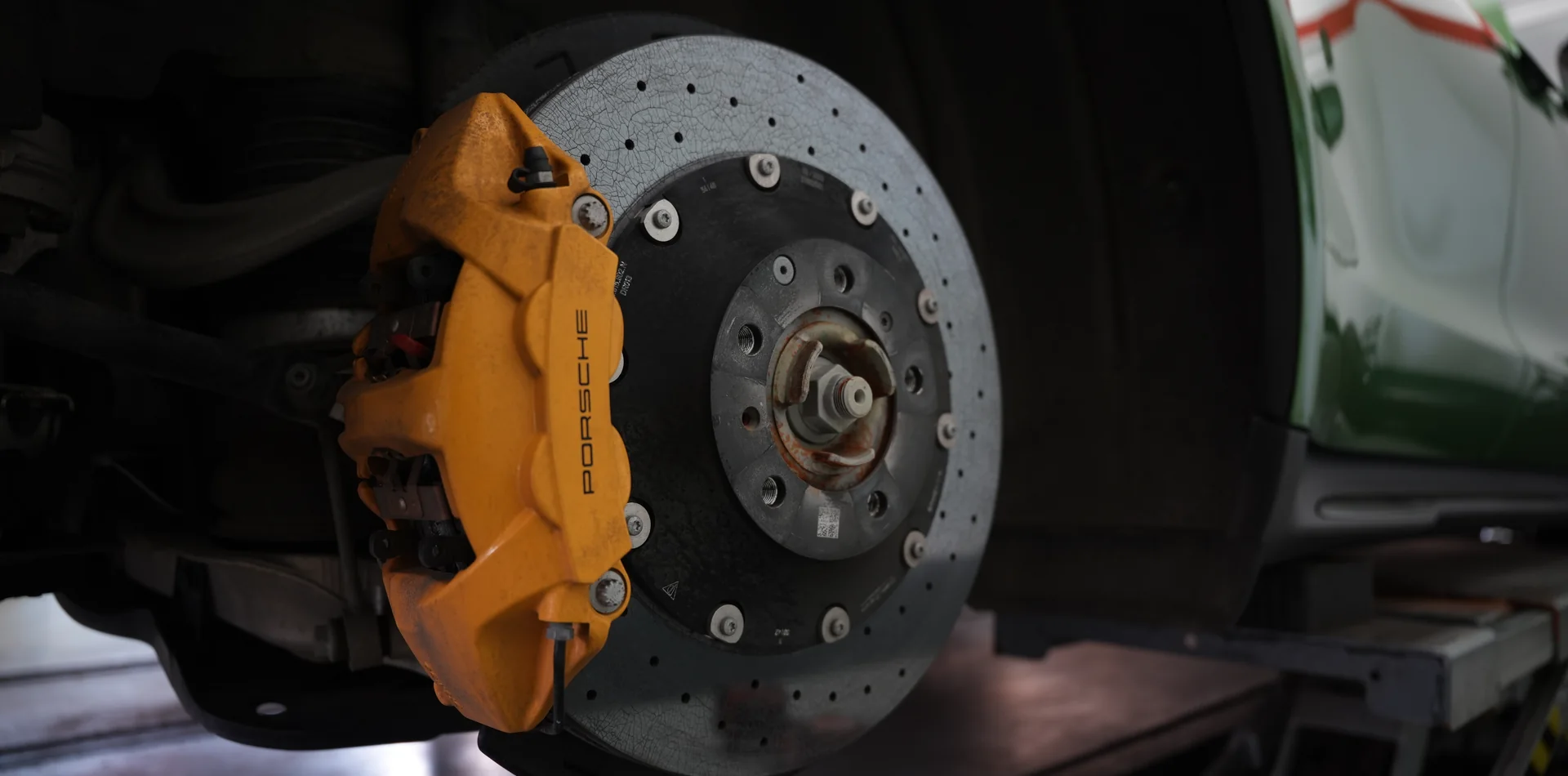
The braking system, which includes brake discs, is one of the key safety components of a vehicle. It is subjected to increased loads every day. In urban conditions, disc wear occurs two to even three times faster than during highway driving. Based on more than 5 years of experience at the RemZone auto repair shop in Warsaw, we have developed a clear understanding of why this happens and how to extend the lifespan of brake discs.
What makes city driving different in terms of wear
In the city, most of us rarely drive calmly. Urban driving involves frequent acceleration and braking. Unlike highway driving, where a car can maintain a constant speed, in the city a driver must stop at traffic lights, respond to road conditions, and maintain a safe distance from other vehicles. This driving style creates increased stress on the braking system.
Why brake discs wear out faster in the city
Braking works through friction: the pads press against the disc, creating resistance and slowing the car down. However, this process generates a large amount of heat, wears down the surface, and in cases of overheating, can lead to deformation.
TOP 5 reasons why wear is faster in the city
- Constant “heating–cooling” cycles Frequent stops in traffic jams and at traffic lights prevent the discs from cooling evenly. If you stop after intense braking, the clamped pads create a “hot spot.” This can result in disc warping and steering wheel vibrations. Additionally, repeated temperature changes alter the metal structure over time, leading to microcracks.
- Impact of urban dirt and dust The urban environment is a mix of dust, rubber particles, and road chemicals. Fine sand and dust get between the pad and the disc, acting as an abrasive. This causes grooves and scoring on the disc surface. Road chemicals accelerate corrosion, especially in winter. Rust can cause the metal to expand and reduce cooling efficiency, sometimes leading to the detachment of the friction material on the pads.
- Lack of natural airflow On highways, discs are cooled by oncoming airflow. In the city, especially in traffic, speeds are low and airflow is insufficient. Heat accumulates in the system, causing faster wear even with light braking.
- High frequency of braking cycles In city traffic, a driver may press the brake pedal hundreds of times during a single trip. Over 10,000 km, total friction is significantly higher than on highways. This leads to microscopic metal loss and accelerates disc wear.
- Frequent operation of assistance systems (ABS, ESP) In dense urban traffic, these systems activate more often, which also contributes to overall wear.
Signs that indicate brake disc wear
Our mechanics recommend paying attention to the following symptoms: vibrations during braking, squealing or metallic noises, increased braking distance, and visible grooves or cracks on the surface. If you notice even one of these signs, it’s best to perform a diagnostic check.
How to know when it’s time to replace the discs
Brake discs must be replaced if their thickness falls below the minimum allowable limit, if there are deep grooves or cracks, or if strong vibrations occur during braking.
Can you extend the life of brake discs in the city?
Three simple tips from our mechanic and experienced driver Vladislav:
- Use engine braking more often – it reduces thermal load.
- Keep a safe distance – this allows smoother, less aggressive braking.
- During seasonal tire changes, always check the condition of the calipers and clean the discs from accumulated debris.
Need a mechanic's advice?
Brake system repair →