Why an Air Conditioner Blows Warm Air After Recharging
Warm air after an A/C recharge points to a fault, not just low refrigerant.
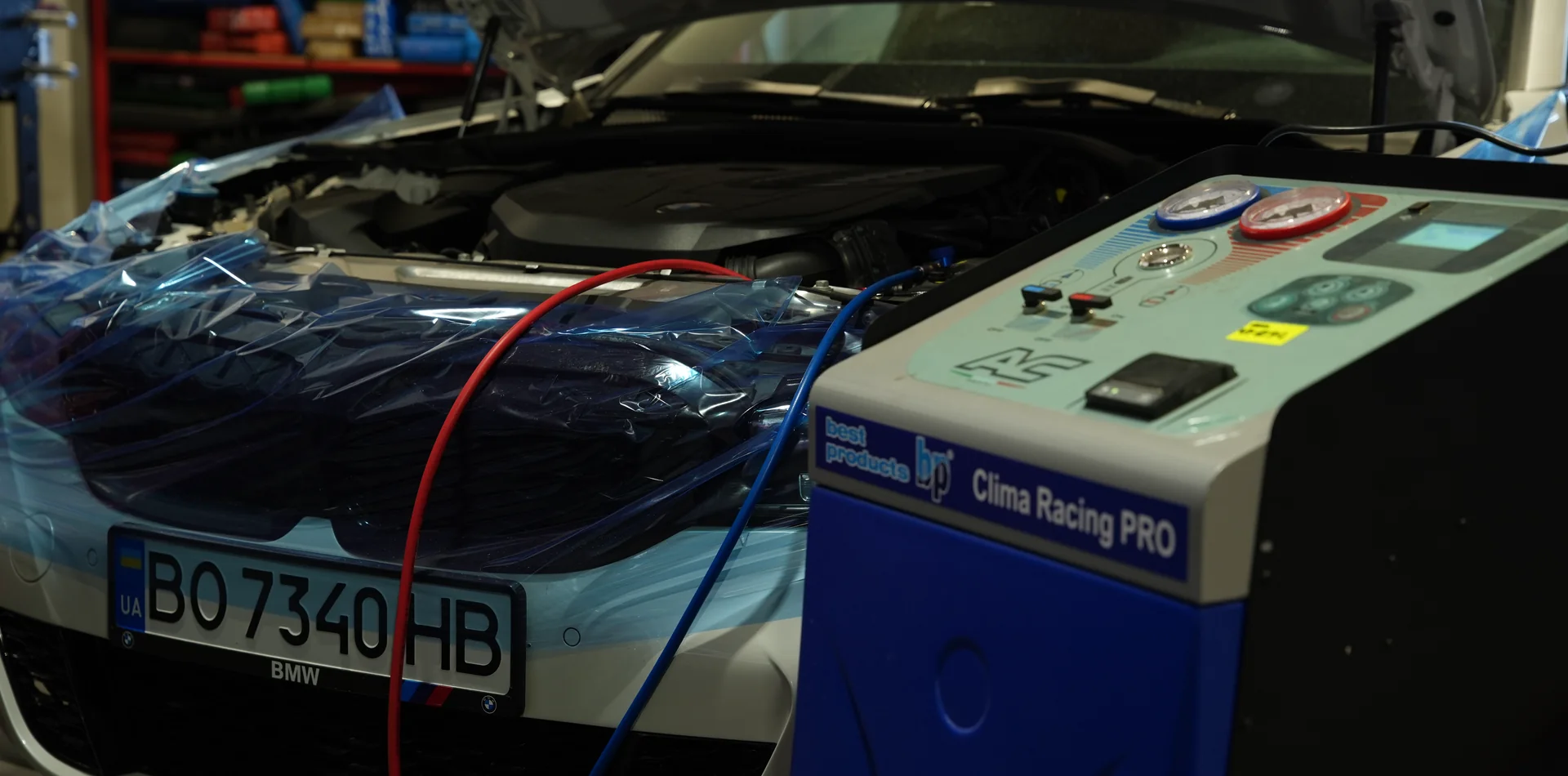
Customers often come to our RemZone auto service center complaining that their air conditioner started blowing warm air immediately after recharging. Having worked in car repair in Warsaw for more than 5 years, we can confidently say that if this happens, it usually means the issue was not simply a lack of refrigerant. In many cases, the system may have been diagnosed incorrectly. If there is a fault in the system, recharging the refrigerant alone is often not enough to restore proper operation.
How an Air Conditioner Should Work After Proper Recharging
If the air conditioning system has been serviced correctly, it should begin cooling the air within approximately 1–3 minutes after being switched on. The temperature should remain consistently low, the system should not shut off by itself, and there should be no unusual noises. If the air conditioner blows warm air instead of cool air, the reason may be a malfunction in one of the components. A properly functioning air conditioner, at an ambient temperature of +30°C, should cool the airflow down to approximately 10–12°C.
Main Reasons Why an Air Conditioner Blows Warm Air, According to “RemZone” Diagnostics
The most common issue we find after recharging is a refrigerant leak – especially in older vehicles with worn seals. This can happen because of microcracks in the pipes that previously went unnoticed, worn-out seals, a faulty condenser, or defective valves. Failure of these components causes pressure loss, and the system stops cooling properly.
The second most common reason is overfilling or underfilling the refrigerant. This also disrupts the pressure in the system. Too little refrigerant leads to poor cooling performance, while too much refrigerant overloads the system and causes pressure drops.
The compressor is also often the reason why the air conditioner blows warm air. If the required pressure is not created, the cooling circuit does not function, and the air remains warm. In this case, recharging the system will have no effect.
Sometimes the radiator fan fails to work properly. Signs of this include constant condenser overheating, inability to cool the refrigerant, and reduced cooling efficiency. This becomes especially noticeable during long traffic jams. For example, a BMW F10 came to us for diagnostics because after recharging, the air conditioner only cooled while driving. The inspection revealed that the issue was with the radiator fan.
If the air conditioning condenser is clogged, cooling performance also worsens. Dirt, dust, and debris reduce heat exchange efficiency. As a result, the system cannot cool the refrigerant quickly enough, and the air coming from the vents becomes warm or only slightly cool.
A faulty expansion valve (TXV) can disrupt the refrigerant supply to the evaporator. In this case, cold air does not reach the cabin, and the system operates incorrectly.
Electronic issues are also a common reason why the compressor does not engage or the system becomes blocked.
Incorrectly functioning heater blend doors can also cause warm air in the cabin. Sometimes the air conditioning system itself works properly, but warm air still enters the vehicle interior. In such cases, the problem is usually caused by stuck blend doors or faulty actuators.
The Most Common Mistakes Made During Air Conditioner Recharging
Over the years, our technicians have seen many malfunctioning air conditioning systems. We have noticed that problems often occur because of improper servicing, including recharging without vacuuming the system, ignoring refrigerant leaks, using the wrong type of refrigerant, or skipping diagnostics before recharging.
When to Visit a Service Center
We recommend visiting a service center if the air conditioner starts blowing warm air immediately after recharging, cold air disappears right after servicing, the system does not turn on, unusual smells or noises appear, or the cooling performance becomes unstable. At RemZone, we first check the pressure in both the high-pressure and low-pressure circuits. If the readings are unstable, this often indicates a leak or compressor malfunction. Only after proper diagnostics do we proceed with repairs or additional refrigerant charging.
Need a mechanic's advice?
A/C service →