Why the Car No Longer Accelerates Like It Used To – Where to Look
Loss of power: from simple fuel issues to in-depth engine diagnostics.
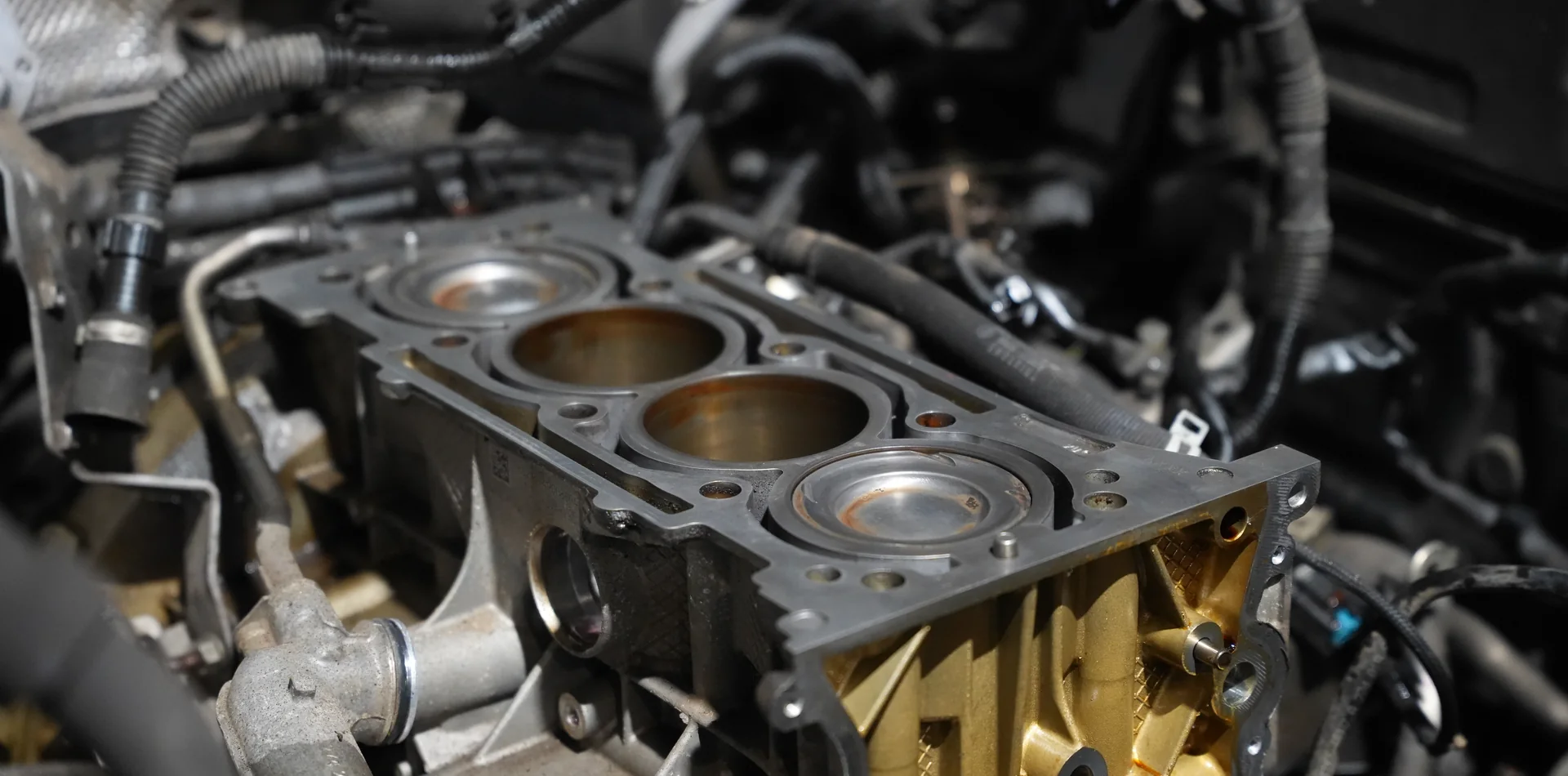
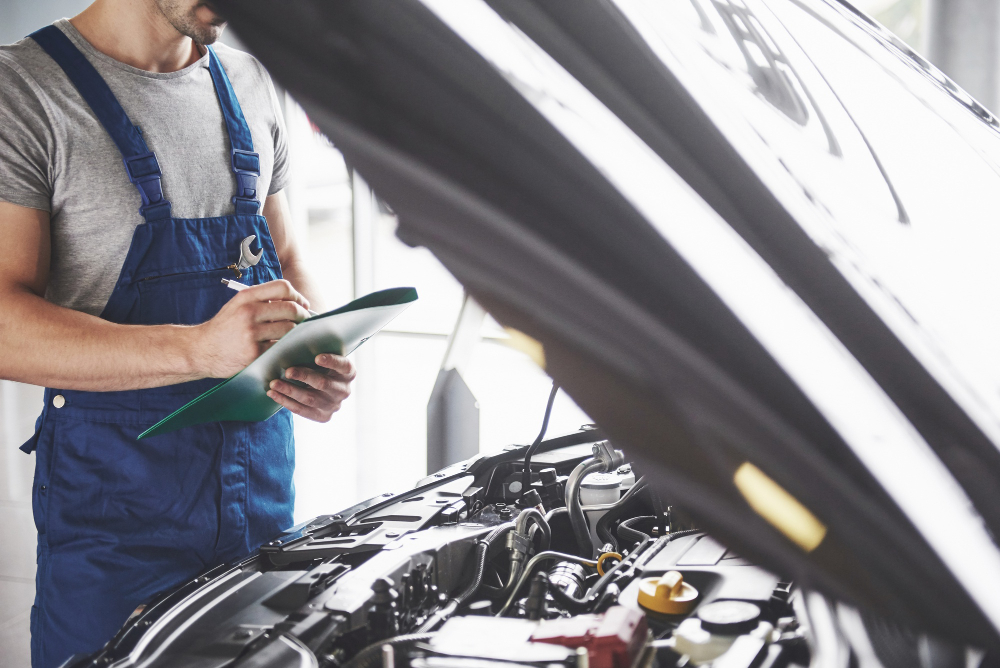
Have you noticed that your car is picking up speed worse, responding more slowly to the accelerator pedal, or no longer pulling as it used to under familiar conditions? This is a loss of dynamics, one of the most common complaints we hear from clients of our car service in Warsaw “RemZone” over more than five years of work. The cause can be very simple and easy to fix on your own, or truly complex, requiring full engine and transmission diagnostics. In this article, we will try together with you to understand why a car doesn’t accelerate like it used to, what the real causes may be, and where to look for the problem.
Simple causes that you can check yourself
- Poor-quality fuel. The problem often appears right after refueling. It is indicated by rough engine operation, worse acceleration, knocking or vibrations, and increased fuel consumption. From our experience, this issue most often occurs in modern turbocharged engines as well as diesel engines. It is worth remembering at which fuel station the symptoms started and stopping refueling there. After using low-quality fuel, the entire fuel system may be affected, so we recommend immediate diagnostics.
- Clogged air filter. The engine needs air – if the air filter is heavily contaminated, the engine begins to “suffocate.” In this case, the driver will notice weaker acceleration, sluggish throttle response, and loss of power at higher RPMs. This is one of the simplest and cheapest problems to fix. At our service, this costs from 40 PLN.
- Clogged fuel filter. Another simple issue that restricts fuel flow and causes the engine to experience a lack of pressure. This is especially noticeable during acceleration, uphill driving, and under load. In diesel engines, we diagnose this problem twice as often, especially if the filter was not replaced on time.
- It may seem trivial, but it matters. Underinflated tires significantly increase rolling resistance. The car feels heavier, acceleration worsens, and fuel consumption increases. Checking and inflating tires takes 10 minutes but can immediately restore the car’s normal performance.
More complex technical reasons why a car doesn’t accelerate like before
If you have ruled out simple causes but the car still doesn’t accelerate properly, it is time to move on to technical diagnostics.
In gasoline engines, spark plugs and ignition coils often fail. Worn spark plugs with a gap greater than 1.3 mm and carbon deposits produce a weak spark. Faulty ignition coils generate only 15–20 kV instead of the required 25–35 kV. As a result, the ignition timing becomes incorrect, shifting the timing angle by 5–7 degrees and potentially reducing engine power by up to 20%. The car then accelerates in jerks, and the Check Engine light often flashes or stays on.
Improper air-fuel mixture formation due to a faulty mass air flow sensor also leads to issues. As a result, power drops, fuel consumption increases, and acceleration hesitation appears.
A dirty throttle body is also a common cause of reduced performance. Typical symptoms include delayed throttle response, unstable idle speed, and hesitation during acceleration.
A clogged catalytic converter is one of the issues we often diagnose in customer vehicles and one that is frequently underestimated. A blocked catalytic converter increases backpressure from normal levels up to 1–1.5 bar, forcing the engine to expend more energy just to push exhaust gases out. Symptoms include the feeling that the car is “held back by the rear bumper,” poor acceleration, difficulty reaching high RPMs, and reduced top speed.
In turbocharged engines, loss of dynamics is often related to the boost system. You can identify this issue by a missing boost “kick,” whistling sounds, or smoke from the exhaust during acceleration.
Problems with fuel injectors and the fuel pump. When fuel pressure is insufficient, the engine cannot develop full power. This is noticeable during hard acceleration, overtaking, and under load. Sometimes the symptoms only appear after the engine warms up.
Inspection algorithm from “RemZone” mechanics
If your car has started accelerating worse, we recommend following a simple plan:
- Recall when the symptoms first appeared and what preceded them.
- Check fuel quality.
- Inspect air and fuel filters.
- Check tire pressure.
- Read OBD error codes.
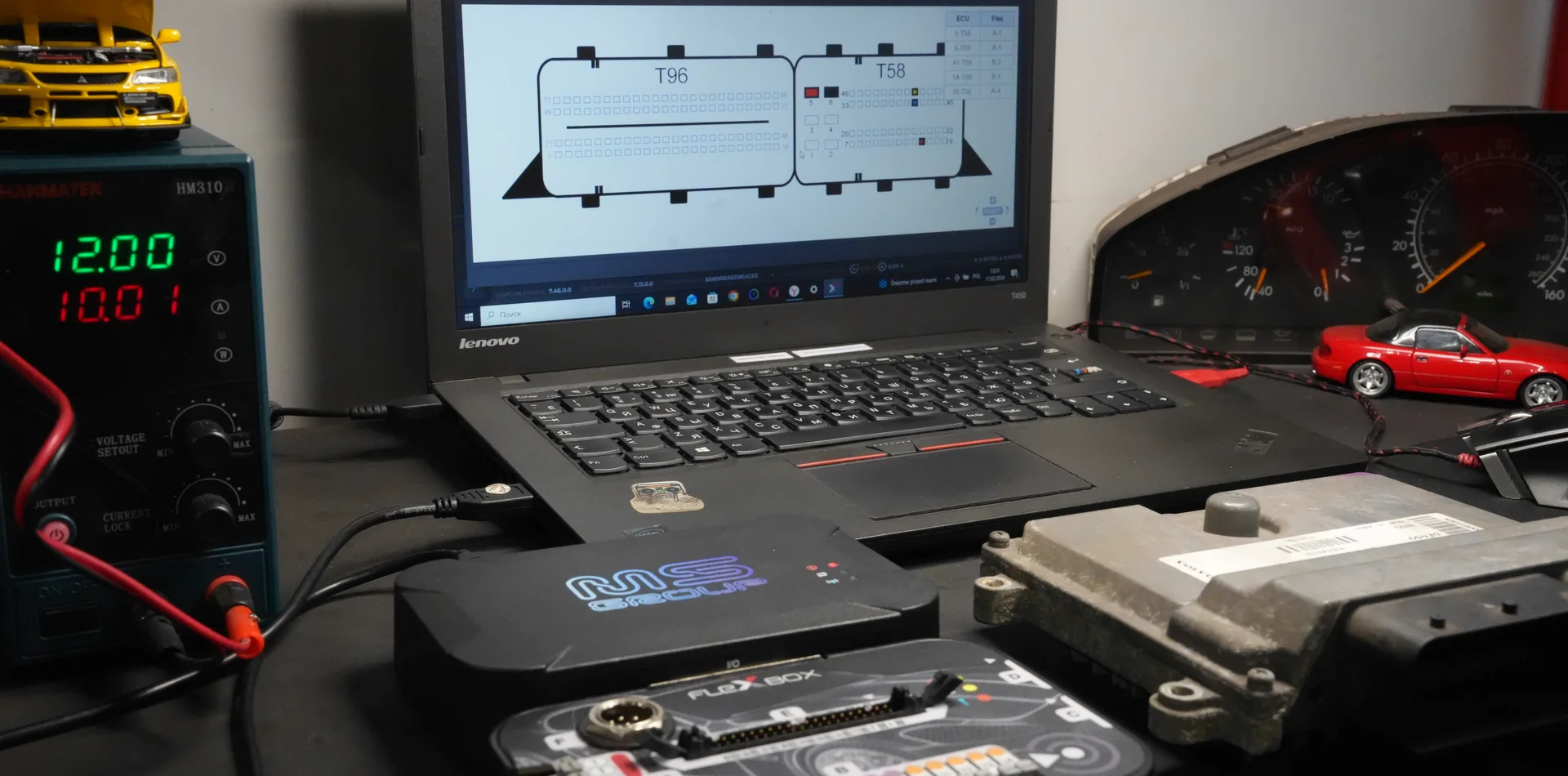
- Check how the engine and transmission are working.
- If necessary, perform full diagnostics.
Need a mechanic's advice?
Engine repair and service →