How to Prepare Your Car for a Technical Inspection in Poland
A scheduled technical inspection in Poland is not simply a matter of going to get the necessary paperwork.
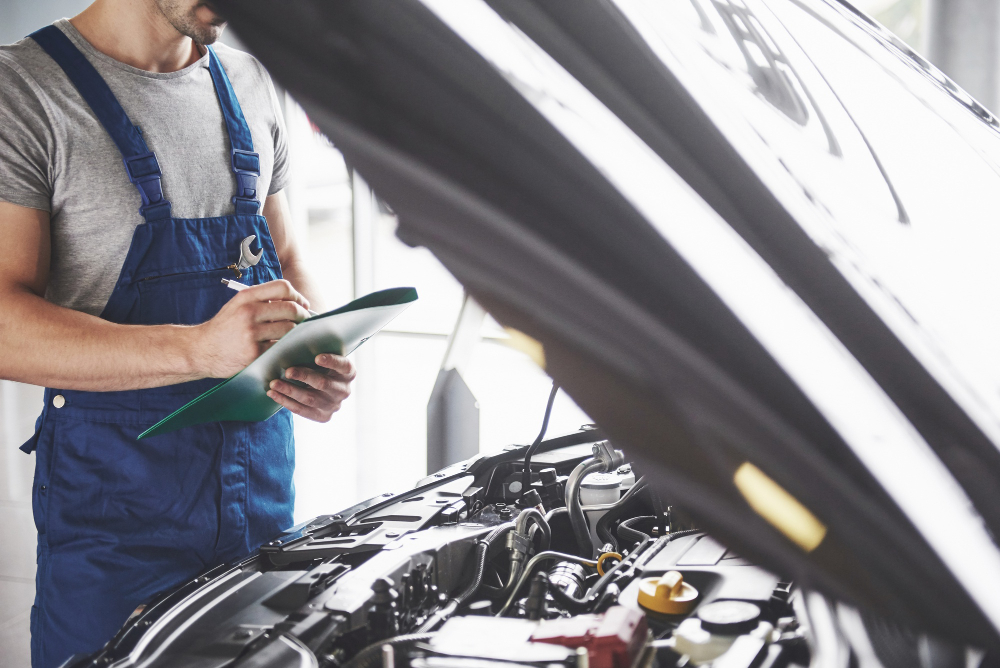
A scheduled technical inspection in Poland is not simply a matter of going to get the necessary paperwork. It involves a comprehensive inspection of the vehicle’s technical condition at a Vehicle Inspection Station (Stacja Kontroli Pojazdów, SKP). The diagnostician conducting the inspection does so in accordance with strict regulations issued by the Ministry of Infrastructure, which means that the vehicle must meet specific technical standards — from properly functioning lights to exhaust emission requirements. Even a preliminary inspection that you can carry out yourself can help eliminate 80% of the minor issues that may result in the driver being required to undergo a repeat inspection.
Below, specialists from our car service in Warsaw have prepared a checklist for a self-inspection, as well as a list of mandatory documents, an overview of defect categories, and an action plan for situations when a vehicle does not pass the SKP inspection the first time.
What Documents Should You Bring?
The diagnostician usually starts the inspection not with the lift, but with the documents and equipment inside the vehicle. The following items should be present in the car:
Fire extinguisher – it must be in working condition and kept in an easily accessible place.
Warning triangle with a reflective element.
Safety vest – it may be checked by the police during a roadside stop, but having one in the passenger compartment is not mandatory for passing the technical inspection.
Mandatory documents for a Vehicle Inspection Station (SKP):
Vehicle registration certificate (Dowód rejestracyjny). Even if there is no space left for inspection stamps, this is not a problem. The diagnostician should issue a separate paper certificate (zaświadczenie).
Documents for the LPG system (if the vehicle is equipped with one). Depending on the circumstances, documentation or a TDT decision concerning the LPG tank may be required. The diagnostician also checks the tank data and its authorization for use.
Identity document. This can be a passport, residence card, or driving licence.
The price of a basic technical inspection for a passenger car is set at the national level and amounts to PLN 149. For a vehicle with an LPG system, the fee is higher — PLN 245.
We remind you that driving without a valid technical inspection may result in a police fine of PLN 1,500–3,000 and the registration certificate being electronically retained in the CEPiK system.
What Should You Check Before Visiting an SKP?
1. Lighting and Optics
Lighting failures are one of the most common reasons for visits to our car service center. That is why we always recommend checking the following one by one: low and high beams, position lights, turn signals, brake lights, reverse lights and fog lights, as well as the rear license plate illumination (both bulbs should be working). Headlight lenses should not have cracks or deep scratches, and there should be no condensation inside the housings. If your vehicle is equipped with non-certified light sources or improperly performed lighting modifications, this may result in a negative technical inspection result.
2. Braking System and Suspension
At SKP stations, brakes are most often tested on a roller brake tester, while the suspension is checked using hydraulic play detectors. Even before visiting the station, drivers should be concerned if the vehicle pulls to one side when the brake pedal is pressed, if there is squeaking, metallic grinding or steering-wheel vibration during braking, knocking from the suspension when driving over uneven surfaces, or uneven tire wear. It is impossible to assess brake efficiency and suspension play accurately by eye. However, this can be done at a car service center, for example, at our RemZone workshop in Mokotów.
3. Tires and Wheels
The legally established minimum tread depth in Poland is 1.6 mm, although diagnosticians recommend maintaining a safety margin of up to 3 mm. Tires on the same axle should have the same size, construction, and tread pattern. Bulges, cuts, and cracks caused by tire aging are not permitted.
4. Windows and Visibility
The windshield should not have large chips or cracks, especially in the area covered by the windshield wipers on the driver’s side. The wiper blades should clean the windshield without leaving uncleared areas, while the washer nozzles should supply fluid properly.
5. Dashboard Warning Lights
After starting the engine, the following warning lights should not remain illuminated on the dashboard: Check Engine, ABS / ESP, Airbag / SRS, and the brake system warning light. Many drivers make the same mistake — they simply clear the error with a diagnostic scanner before going to the SKP. The diagnostician connects equipment to the OBD socket, and if the system monitors have not completed successfully or the error appears again during the inspection, the vehicle will fail the technical inspection. Therefore, it is recommended to first eliminate the cause of the malfunction and only then clear the error code.
6. Leaks and Exhaust System
If there are drops of oil or coolant underneath the vehicle, the car may not be allowed to proceed with the inspection at the SKP station.
Excessive exhaust smoke or exceeding the permitted emission limits may result in a negative technical inspection result. A removed catalytic converter or diesel particulate filter may be detected by the diagnostician during an exhaust emissions test.
What Should You Do If Your Car Fails the Technical Inspection?
If the diagnostician finds problems, they will enter the relevant information into the CEPiK system and issue a document listing the defects. In Poland, there are three categories:
Minor defects. In this case, the technical inspection is considered passed. The diagnostician enters the comments into the system and recommends fixing them as soon as possible. For example, this could mean replacing a burned-out license plate light bulb.
Serious defects. The result of the inspection is negative (wynik negatywny). Further use of the vehicle depends on the nature and consequences of the detected defects.
Dangerous defects. The result is negative. The vehicle poses a direct threat to road safety. The diagnostician retains the vehicle registration certificate electronically in the system, and a vehicle with dangerous defects may not continue to be driven on public roads.
If the car did not pass the inspection, you need to collect the inspection report from the diagnostician, including the codes of the detected faults. You have no more than 14 days to fix the problems and have them rechecked at the same inspection station at a lower cost. It is best to take the report to a car service and give it to the mechanics. If you return to the same inspection station after the repairs, within 14 days you do not have to pay for a full technical inspection, but only for a reinspection of the specific components. The cost depends on the scope of the reinspection and, for the most common defects, ranges from PLN 21 to PLN 55.