Why driving with a low fuel level is dangerous
Topping up at the last minute costs more than keeping the tank full – here are the numbers.
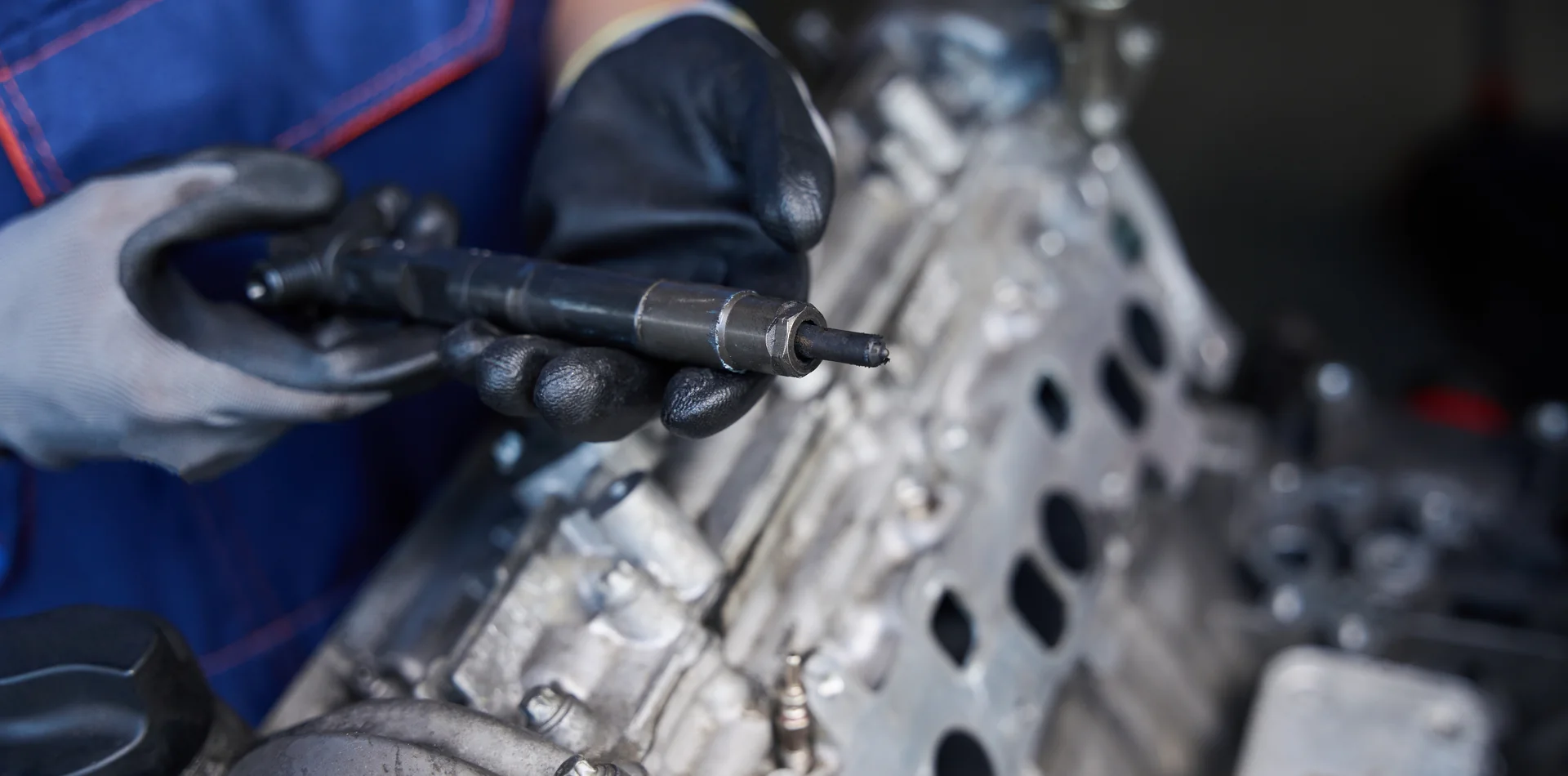
Replacing or repairing an in-tank fuel pump at our service center in Warsaw starts from PLN 600 (depending on the make and model of the vehicle), while repairing the fuel injection system on a modern diesel engine or a gasoline turbo engine with direct injection can easily exceed PLN 5,000–8,000. Do you know one of the main causes of these failures? It’s not defective parts or “bad fuel,” but the habit of postponing refueling until the last moment and regularly driving with a nearly empty tank.
In this article, the mechanics at RemZone explain the technical reasons why driving on low fuel can be harmful and how to reach the nearest gas station safely if the low fuel warning light has already come on.
What Happens Inside the Fuel Tank When the Warning Light Comes On
In most passenger vehicles, the low fuel warning light is triggered when there are approximately 5–10 liters of fuel left in the tank (around 10–15% of its total capacity). However, relying solely on the figures displayed on the dashboard can be risky:
- The onboard computer calculates fuel range based on average consumption. If you leave the highway (S8 or A2) and end up in Warsaw’s notorious traffic jams on Aleje Jerozolimskie or near the Marszałkowska intersection, your actual driving range may decrease by two or even three times compared to what the system predicts.
- Fuel tank shape and vehicle angle matter. On steep bridge exits, underground parking ramps, or when the car is parked on an incline, the remaining fuel shifts to one side of the tank. As a result, the fuel pump pickup may be left uncovered for several seconds.
Technical Risks of Driving with a Nearly Empty Fuel Tank
One of the most common problems we see caused by driving with very little fuel is overheating and accelerated wear of the electric fuel pump.
In most modern fuel-injected vehicles, the fuel pump module is located inside the tank. The pump’s electric motor is both cooled and lubricated by the fuel it pumps. When the tank is at least one-third full, the pump remains completely submerged. As the fuel level drops to a minimum, the pump becomes partially exposed and begins operating at much higher temperatures. During hot summer weather or long motorway trips, repeated overheating can quickly damage the pump’s windings and internal moving parts.
Comment from a RemZone mechanic in Warsaw:
“We most often see noisy or completely failed fuel pumps during the summer, especially from drivers who always refuel for just 50 złoty at a time. In these conditions, the pump spends a long time operating with insufficient cooling, gradually loses performance, and eventually the car simply refuses to start at the worst possible moment.”
The second common technical risk is air intake and damage to injection systems (GDI, TSI, Common Rail). If the fuel pump sucks in air instead of gasoline or diesel during cornering or hard braking, engines with conventional port injection (MPI) will experience misfires, stutter, or momentarily lose power. However, for direct-injection engines (GDI, TSI, EcoBoost) and especially diesels with a Common Rail system, running dry is a critical, high-risk situation. The high-pressure fuel pump is lubricated exclusively by diesel or gasoline. Running dry causes scuffing on the plunger pairs within seconds, and the resulting metal shavings are instantly carried throughout the entire system, clogging expensive injectors.
A third common technical issue is increased strain on the fuel filter and pickup strainer.
Over time, every fuel tank accumulates fine sediment, deposits, and microscopic particles at the bottom. When fuel levels become very low, the pump begins drawing in these contaminants much more aggressively. The first component to suffer is the nylon pre-filter (pickup screen) attached to the fuel pump module. Cleaning it usually requires removing the fuel tank for flushing. In addition, the lifespan of the main fuel filter is significantly reduced.
Why the Risks Are Twice as High in Winter
During cold weather, a half-empty fuel tank effectively becomes a generator of condensation. Temperature fluctuations cause moisture to form on the inner metal or plastic walls of the tank. Water droplets then run down to the bottom, where they can be drawn into the fuel pickup.
In gasoline-powered vehicles, this often results in difficult cold starts and unstable engine operation. In diesel vehicles, frozen water can block the paraffin-contaminated fine fuel filter, leaving the vehicle immobilized in freezing temperatures.
RemZone Checklist: What to Do If the Low Fuel Warning Light Comes On While Driving
If the nearest gas station is about 10 kilometers away and the warning light has already illuminated, reduce the load on the engine to maximize your chances of reaching the station safely:
- Turn off the air conditioning and all high-power electrical accessories. This reduces the load on the alternator and can lower fuel consumption by approximately 0.5–1 liter per 100 km.
- Drive economically by maintaining a speed of around 70–80 km/h using the highest gear in a manual transmission or Eco mode in an automatic transmission.
- Avoid rapid acceleration. Flooring the accelerator significantly increases fuel consumption and causes fuel to move away from the pump pickup during acceleration.
- Do not switch off the engine unless absolutely necessary, as restarting it requires additional fuel.
How Much Fuel Should You Keep in the Tank?
A safe minimum fuel level is one-quarter of the tank (approximately 20–25% of its capacity).
During winter, we recommend keeping the tank at least 50% full. This helps prevent condensation from forming inside the tank and ensures more reliable engine starts in freezing weather.
A single trip to the nearest gas station with the low fuel warning light on is unlikely to damage your vehicle. However, refueling before the tank gets too low remains the simplest and most effective way to extend the service life of your fuel pump, fuel filters, and fuel injectors.
Need a mechanic's advice?
Fuel system repair →