What Matters More When Buying a Car: Mileage or Age
Mileage and age matter, but a full inspection decides a car's real condition.
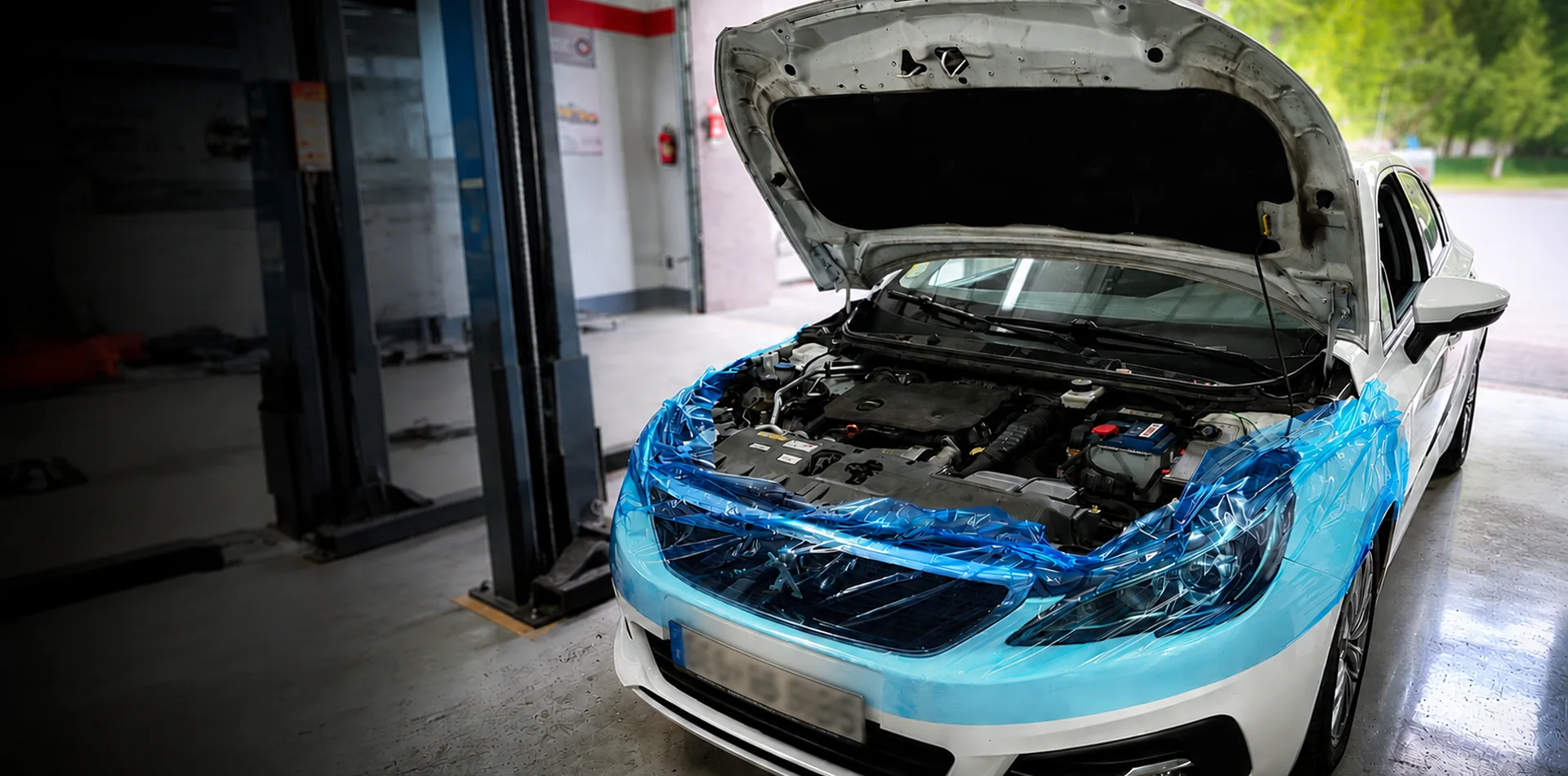
Buying a used car always comes down to answering an important question: what should you pay attention to – mileage or age? It may seem obvious at first. But in practice, things are a bit more complicated. Two cars with the same odometer reading can be in very different condition, and a newer one can sometimes be much worse than an older one. At our car service in Warsaw, we often see owners of recently purchased used cars with issues that shouldn’t exist given the vehicle’s age. That’s why in this article we’ll explain what really deserves your attention.
The Importance of Mileage When Choosing a Car
Mileage is one of the key indicators of a car’s wear and tear, showing how many kilometers it has traveled since leaving the factory. The more kilometers a car has driven, the greater the load on its main components (engine, transmission, suspension, braking system). However, mileage is not just about numbers – how the car was used during that time is equally important. For example, 50,000 kilometers driven in city traffic causes more wear than 100,000 kilometers on the highway. Regular maintenance also plays a major role. A car with 150,000 kilometers that has been properly serviced according to schedule may actually be in better condition than a car with 60,000 kilometers that was poorly maintained or not serviced at all. Mileage is an important indicator, but not an absolute one. It reflects usage, not the true technical condition.
High mileage can become a problem if the car was mainly used in the city, frequently stuck in traffic, with constant stops and cold starts.
The Impact of Age on a Car
A car’s age is not just a number in the documents. Even if the vehicle has been rarely used, its age can still work against it. Over time, rubber components lose elasticity, corrosion appears, and microcracks develop. Seals and fluids age, and electronic issues may arise. These problems are especially common in cars that sit unused for long periods. A typical example is a “grandpa’s car” kept in a garage and barely driven. Such a car can often be in worse condition than one that has been regularly used. From this, it’s clear that age affects technical condition regardless of mileage.
Real Cases from RemZone Experience
Two cars were brought to our workshop for diagnostics. The first was 3 years old with 150,000 kilometers. The second was 10 years old with only 40,000 kilometers.
In the first case, the car was mainly used on highways, which helped preserve the engine and transmission. It also had a documented service history.
In the second case, the car had been sitting in a garage for a long time, leading to rust in various components, dried-out seals, and worn rubber parts.
We recommended that the client choose the car with higher mileage.
How to Find the Balance Between Age and Mileage
We are often asked how to choose a used car with the ideal balance between mileage and age. Based on our more than 5 years of experience, here are some tips:
- Evaluate mileage based on average annual use. The optimal range is 12,000–15,000 km per year.
- Check the service history and condition of components, not just the numbers on the odometer.
- Look for visible signs of wear – they should match the car’s age and mileage.
- Verify the legal status of the vehicle and the VIN number. This helps avoid odometer fraud.
- Don’t rely on visual inspection alone – a professional check (computer diagnostics) provides more accurate results.
What Matters More Than Mileage and Age
We always emphasize to our clients that some factors are more important. These include service history, usage conditions, number of previous owners, accidents and repairs, and known weak points of the model. Mileage and age are only part of the overall picture. A car should always be evaluated comprehensively.
Need a mechanic's advice?
Pre-purchase car diagnostics →