What is included in comprehensive car maintenance
When a car owner brings their vehicle in for full technical maintenance, the main goal of the technicians is to assess the actual condition of key assemblies...

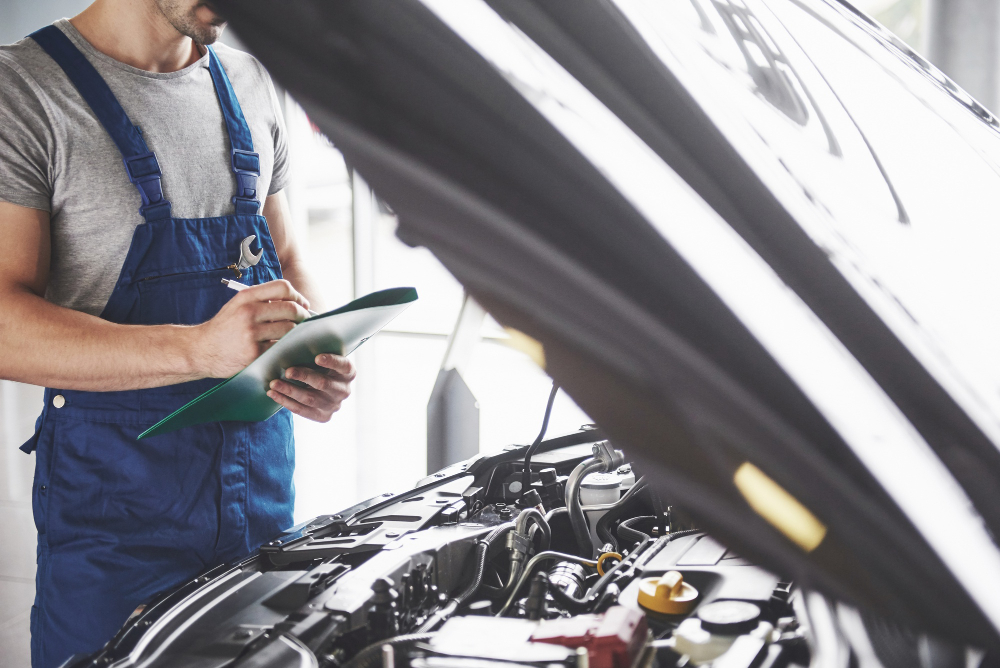
When a car owner brings their vehicle in for full technical maintenance, the main goal of the technicians is to assess the actual condition of key assemblies, catch component wear in a timely manner, and ensure that further journeys will be safe. There is no universal "one-size-fits-all" recipe for cars. The scope of work is always individual: it depends on the make and model, engine and transmission type, mileage, vehicle age, operating conditions, and manufacturer guidelines.
At our car service in Warsaw, everything is based on evaluating the actual condition of the vehicle. Mechanics first check the components that genuinely require attention, and only then agree upon the list of additional procedures with the owner.
What usually goes into a comprehensive service?
A comprehensive approach combines mandatory routine operations with targeted diagnostics. Depending on the car's characteristics, the checklist may include:
computer scanning of electronic systems;
engine oil and filter element replacement;
checking the level and quality of technical fluids;
general engine diagnostics;
brake system inspection;
suspension and steering examination;
battery and electronics testing;
monitoring the remaining lifespan of tires and wheels;
assessing the cooling system condition.
Here, it is important to maintain a balance and separate scheduled consumable replacements from parts that require intervention only based on defect analysis results. No normal mechanic will replace a functioning assembly just because someone wants to go through a "full package" of services.
How does a service visit begin?
Before a mechanic can start working, they first need to understand the car's background. This is done taking into account the production year, mileage, powertrain type, past repair history, and the driver's own complaints.
If the "check engine" light periodically illuminates on the dashboard, a strange humming noise appears at speed, or vibrations are felt during braking, be sure to tell the service advisor about it. It is useful to show a video of the strange sound or a screenshot of an error code from your phone. Such a dialogue helps the mechanics avoid blindly replacing consumables as a formality, and instead search for the root of the problem immediately.
Inspection and maintenance stages
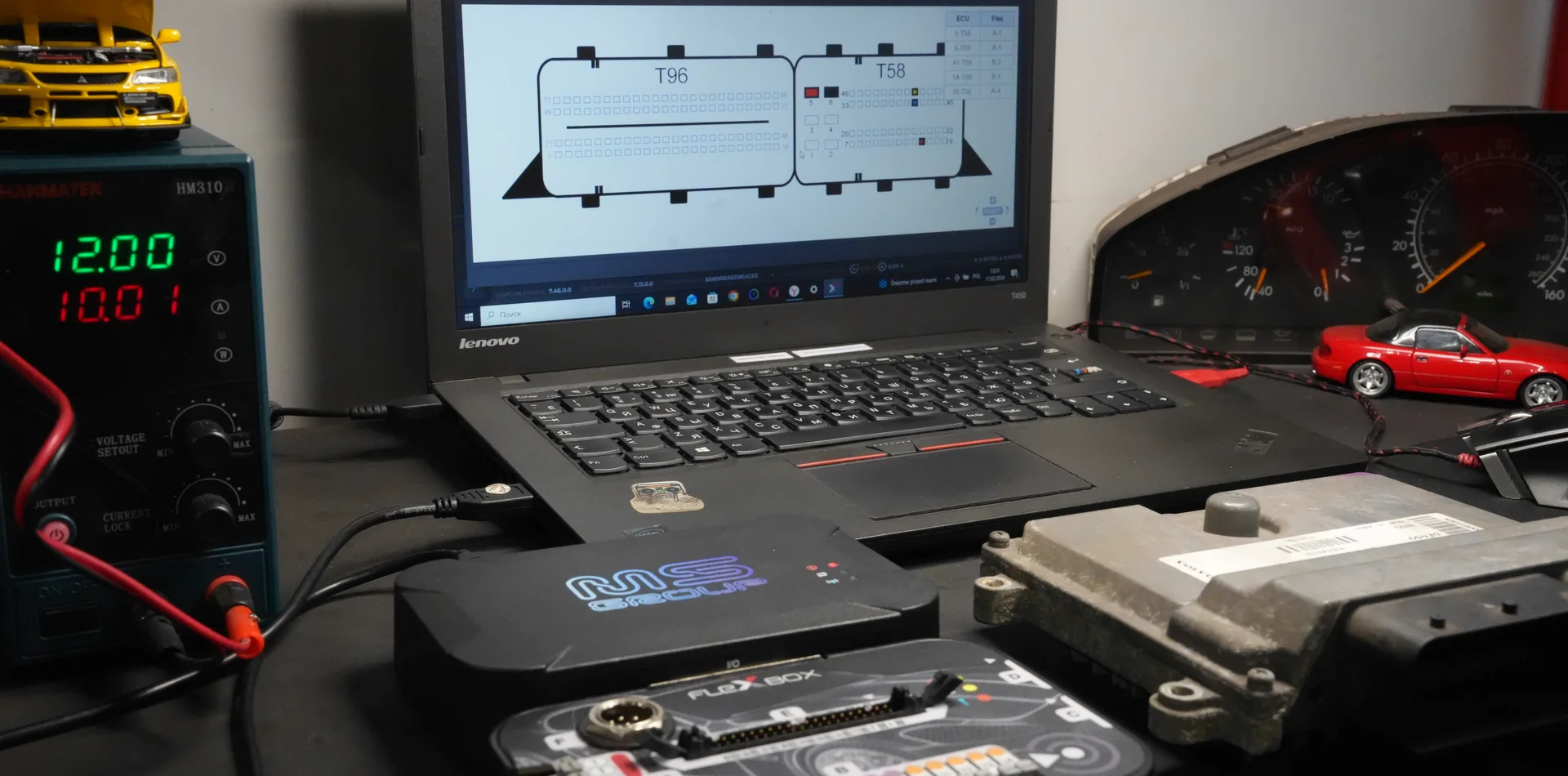
1. Comprehensive diagnostics. Electronic scanners read stored errors and real-time parameters. However, if the computer detects no faults in the control units, this does not mean that the brake pads or shock absorbers are in perfect condition. That is why at "RemZone" we always combine computer system polling with a mechanical inspection on a lift. Practical example: the owner of a sedan came to our service complaining of an extraneous hum and vibration during acceleration — the driver feared transmission problems. Computer diagnostics revealed no errors. However, a detailed mechanical inspection on the lift revealed critical wear of the propshaft center bearing and play in the right wheel bearing. Targeted replacement of these elements completely eliminated the problem, saving the client money on an expensive transmission repair that they initially feared.
2. Oil and filter сhange. This is the foundation of any routine maintenance. Consumables are selected strictly according to engine specifications. In addition, we assess the condition of the air, cabin, and fuel filters, as well as spark plugs or glow plugs. They do not need to be replaced every single time; everything depends on the current mileage.
3. Checking and replacing technical fluids. Mechanics check the level and condition of coolant and brake fluid, as well as oils in the transmission and power steering. If the fluids have exhausted their service life, they are replaced taking the manufacturer's tolerances into account.
4. Engine and auxiliary equipment inspection. The engine is checked for oil leaks, drive belt tension is assessed, and timing components are evaluated. Upon reaching the scheduled mileage, "RemZone" performs replacements of belt and chain drives to prevent major breakdowns.
5. Chassis and steering check. Shock absorbers, springs, control arms, silent blocks, ball joints, and wheel bearings are evaluated. If the wheel geometry was disrupted following suspension work, we immediately perform wheel alignment adjustment.
6. Brake system performance assessment. Includes checking the pads, discs, calipers, hoses, and the condition of the brake fluid — road safety directly depends on this.
7. Electronics and battery check. Especially relevant before the onset of cold weather: the mechanic checks the battery starting current, alternator and starter operation, and the functionality of lighting equipment.
8. Tire and wheel condition assessment. Tread depth, wear uniformity, pressure, and wheel rim geometry are checked. Balancing is performed if necessary.
How does service at "RemZone" work?
We strive to build simple and transparent relationships with our clients. The process looks like this: you book a visit, describe the symptoms and requests. The mechanic records the data, after which the vehicle is checked on a lift and using a scanner.
Before any work begins, the client receives a detailed estimate: we clearly separate problems that need to be resolved urgently from those that can wait. Only after the estimate is approved do the mechanics proceed with the repair. At the same time, we are always in touch and send photo and video reports when necessary. Before returning the keys to the owner, we conduct a final check and a test drive.
Comprehensive maintenance from "RemZone" is a flexible process aimed at keeping the car in proper working condition without unjustified expenses. Our auto repair shop operates in two locations in Warsaw: in Mokotów (ul. Ojcowska 2) and in Białołęka (ul. Brzeziny 6).