When Do Fuel Injectors Need Cleaning and When Do They Need Replacing?
Fuel injectors ensure that the correct amount of petrol or diesel enters the combustion chamber at the right time and in the proper form.
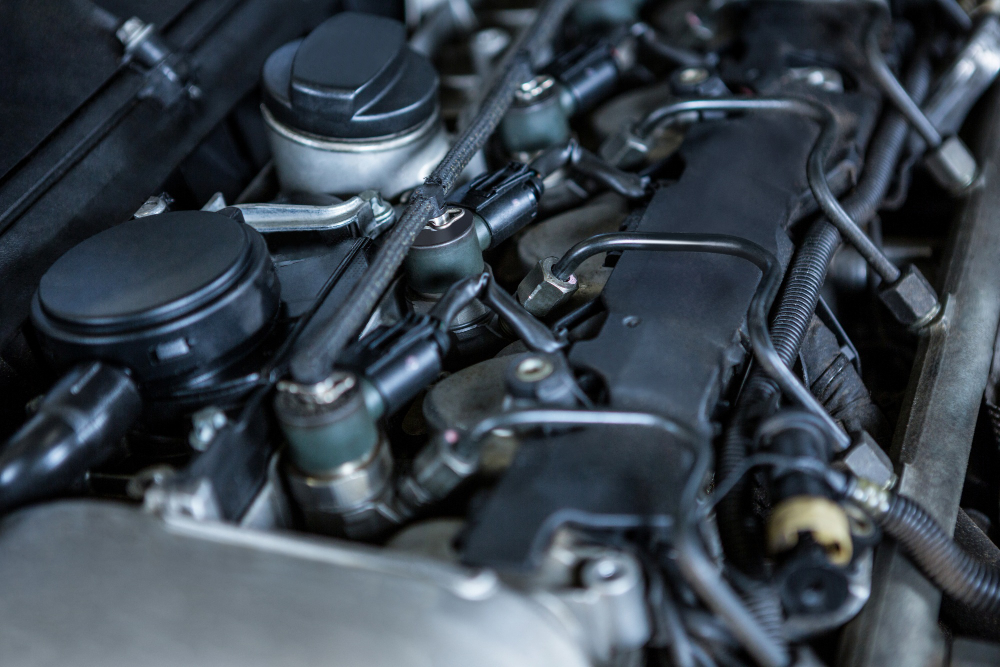
Fuel injectors ensure that the correct amount of petrol or diesel enters the combustion chamber at the right time and in the proper form. Their condition affects engine idling stability, the engine's ability to increase RPM quickly and smoothly when the accelerator pedal is pressed, and overall fuel consumption. Over time, resin deposits and carbon buildup can accumulate on injector components, disrupting the fuel spray pattern. As a result, the engine may start running unevenly, lose power and consume more fuel.
However, car owners often make the same mistake: at the first sign of trouble, they rush to buy new components or agree to the first ultrasonic cleaning service they are offered. At our RemZone car repair workshop in Warsaw, we emphasise that everything depends on the nature of the fault. The main rule is simple: chemical cleaners and ultrasonic treatment can remove deposits, but they cannot fix mechanical wear or burnt-out electrical components.
In this article, together with our auto mechanics, we will explain when injector flushing is sufficient, when repairs or replacement are necessary, and how to avoid overpaying for parts you do not actually need.
What Are Fuel Injectors Used For and Why Can They Fail?
A fuel injector is a high-precision valve controlled by an electromagnetic or piezoelectric mechanism. It operates under demanding conditions: high temperatures, constant pressure and contact with fuel of varying quality.
Where Do Dirt and Wear Come From?
When exposed to heat, residual fuel evaporates, leaving a thick, sticky deposit on the injector needle and nozzle. Fine particles that pass through a worn fuel filter can scratch internal surfaces. Water in the fuel causes corrosion of precision mating components, particularly in diesel Common Rail systems. Repeated opening and closing cycles (hundreds of millions over the component's service life) eventually lead to mechanical wear of the valve seat and needle.
How Can You Tell That Your Fuel Injectors Are Worn?
Fuel injection problems rarely appear overnight. Symptoms usually develop gradually. During this period, drivers may notice:
Unstable engine idling. The engine vibrates and RPM fluctuates because one of the cylinders receives either too little or too much fuel.
Hesitation and jerking during acceleration. When the accelerator pedal is pressed, the engine hesitates instead of delivering power immediately.
Difficulty starting the engine. If an injector is leaking and continues to deliver fuel after the engine has been switched off, fuel can seep into the cylinder, flooding the spark plugs or increasing the oil level in the sump.
Black or grey smoke from the exhaust. This indicates incomplete combustion caused by an incorrect fuel spray pattern or excessive fuel delivery.
However, none of these symptoms can identify faulty injectors with 100% certainty. Exactly the same signs can be caused by an air leak, a clogged catalytic converter or problems with the ignition system.
A Real-Life Example from RemZone: How We Saved the Injectors in a Petrol Direct Injection (GDI) Engine
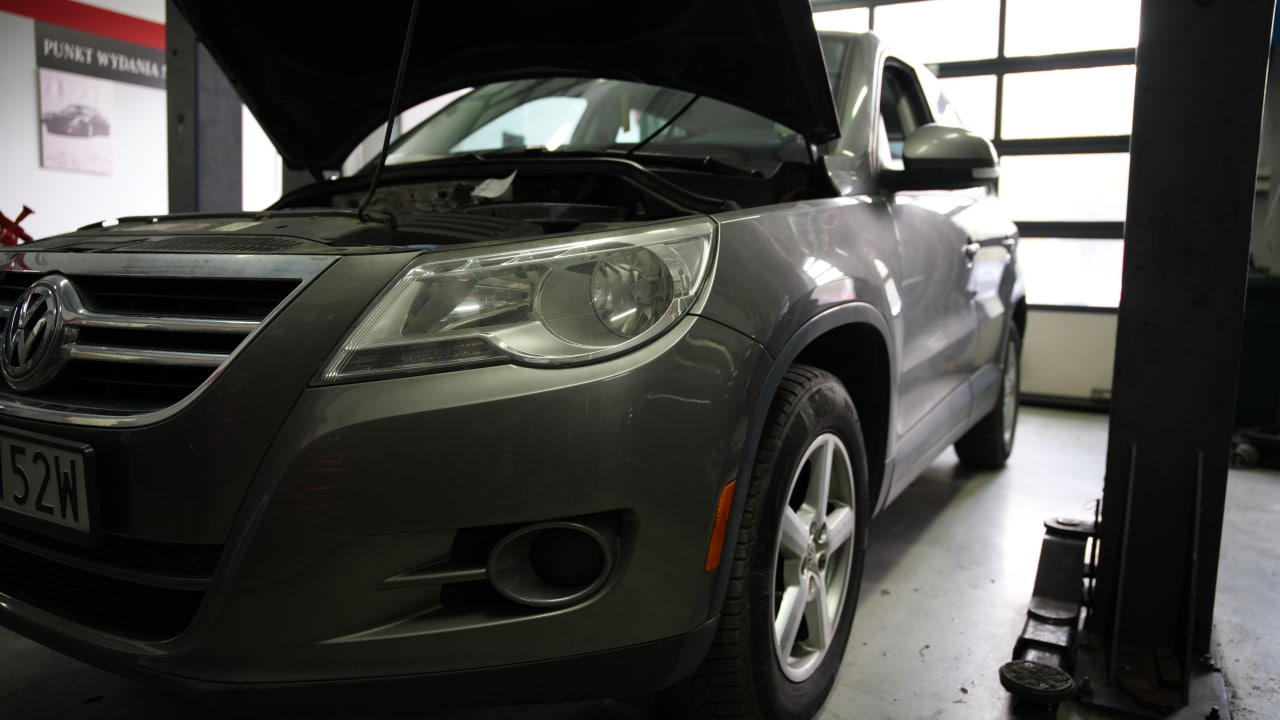
A crossover equipped with a 2.0 GDI engine and 145,000 km on the clock arrived at our workshop. The owner complained about difficult cold starts in the morning, fluctuating RPM during warm-up and a noticeable loss of power when accelerating sharply to overtake on the motorway.
Computer diagnostics revealed misfires in the third cylinder. Our mechanics removed the injectors and mounted them on a test bench. High-pressure testing revealed severe carbon buildup in the injector nozzle openings: instead of producing an even, fine fuel spray, the injectors were delivering fuel in narrow streams. Their flow rate had also dropped by 18%.
At the same time, the electrical components and mechanical sealing were in perfect condition.
We carried out professional ultrasonic cleaning after removing the injectors, followed by testing on a dedicated flow bench. The spray pattern and flow rate returned to the manufacturer's specifications. As a result, the customer avoided purchasing new original direct injection fuel injectors and saved a considerable amount of money.
When Is Cleaning Enough and When Is Replacement Necessary? A Quick Guide from RemZone
When choosing a maintenance method, we always rely on diagnostic results rather than the vehicle's mileage.
Cleaning may be sufficient in the following cases:
when the injector passages are contaminated or there is carbon buildup on the nozzle tip;
when the correct fuel spray pattern can be restored by removing deposits;
when the injector's sealing properties can be preserved;
when the component's functionality has not been compromised.
Repair or replacement is necessary when:
there is mechanical wear on the injector needle or cracks in the housing;
the fuel spray pattern cannot be restored and the geometry of the metal components has been damaged;
the injector leaks fuel while in the closed position (due to valve seat wear);
an open circuit in the solenoid coil or a burnt-out piezoelectric element has been detected.
How to Properly Diagnose the Fuel Injection System
During diagnostics, we always explain to our customers that fault codes stored in the engine control unit (for example, a misfire code) are only a consequence of an underlying problem and not necessarily its actual cause. At our workshop, the diagnostic process follows these steps:
ECU parameter scanning. We assess fuel trims (Short-Term and Long-Term Fuel Trim) and fuel rail pressure.
Cylinder balance testing. We check how much each cylinder contributes to the overall engine performance.
Injector leak-off test. This is particularly important for diesel engines equipped with Common Rail systems.
Test bench inspection. This includes precise measurement of injector flow rate, assessment of the fuel spray pattern and checking for leaks under pressure.
What Cleaning Methods Do We Offer?
Fuel additives for preventive maintenance. They work gently and help clean the fuel tank and fuel lines. However, they cannot remove heavily carbonised deposits from injector tips, let alone repair mechanical wear.
Fuel system flushing without removing the injectors. In this case, a special cleaning solution is supplied from a service station instead of petrol or diesel. This method is effective for preventive maintenance and removing moderate contamination from the fuel injection system.
Ultrasonic cleaning after removal. The injectors are cleaned in a special bath using cavitation, followed by inspection on a dedicated flow test bench. We recommend this method only when performed by qualified professionals, as it requires particular care. Piezoelectric injectors and certain types of precision nozzles must never be cleaned using ultrasound, as this can cause serious damage.
What Can You Do to Prevent Problems?
To reduce the risk of fuel injection problems, refuel at reputable petrol stations, replace the fuel filter on time and respond to the first signs of unstable engine operation.
If your car has started losing power or consuming more fuel than usual, do not rush into replacing components without proper diagnostics. At RemZone we provide comprehensive fuel system repair and diagnostics (injector cleaning starts at PLN 400). Our mechanics will inspect your injectors on a test bench and advise whether cleaning, repair or replacement is actually necessary.