How Poland's climate wears out your car and how to limit it
Damp, freeze-thaw cycles and road salt age a car faster than mileage does.
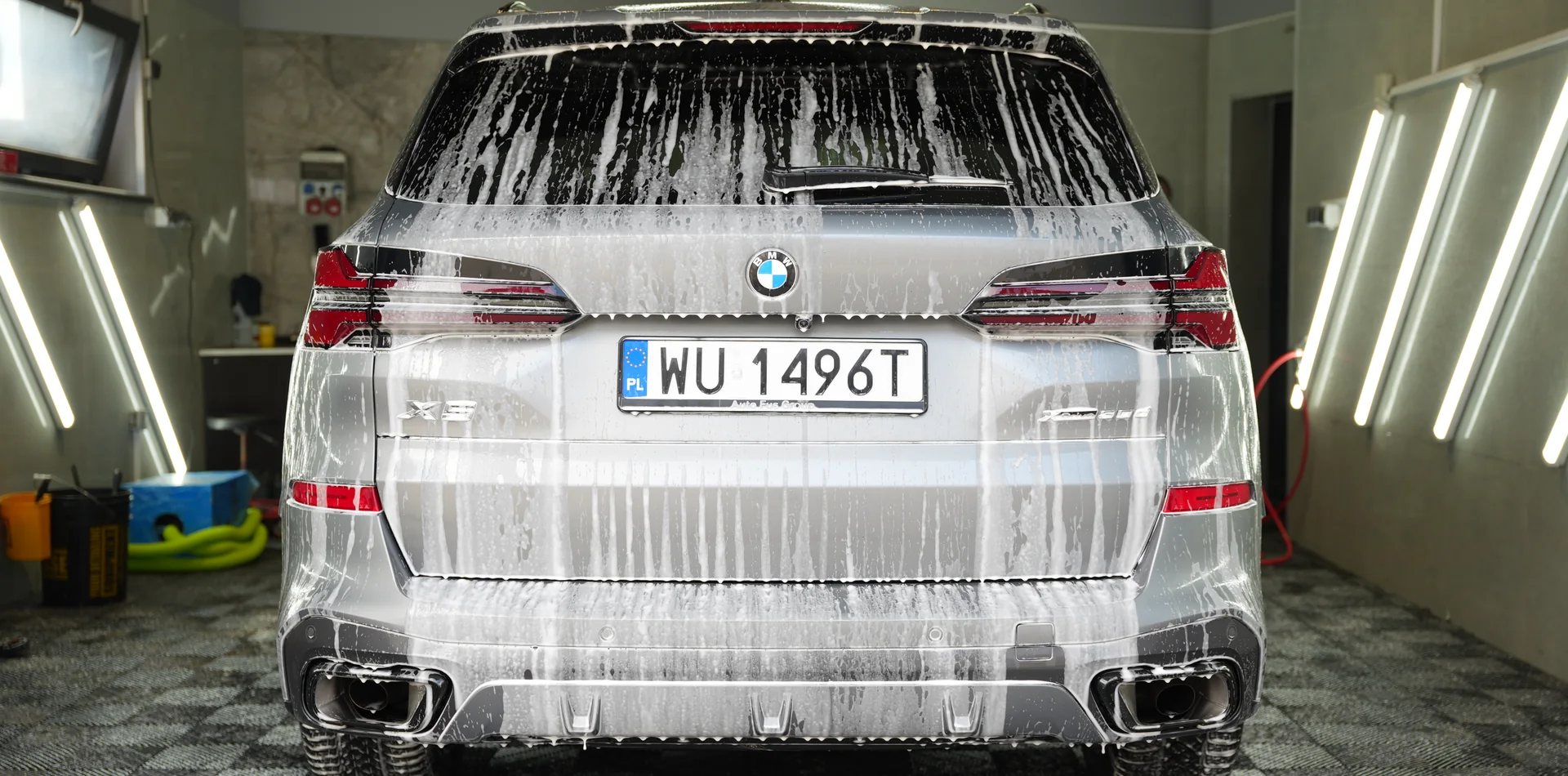
Poland has a temperate climate, but most regions, including the Masovian Voivodeship, are characterized by a challenging combination of high humidity, prolonged autumn rainfall, and frequent temperature fluctuations around the freezing point during winter. Add to this the aggressive de-icing chemicals generously spread on the roads by municipal services, and you have the perfect conditions for accelerated wear and tear, even on the most reliable vehicles.
In this article, together with Andrzej, the lead mechanic at our auto service center in Warsaw, who has been working in the capital for over five years and has personally repaired more than 1,500 vehicles, we will examine the main climate-related threats to cars in Poland and share practical recommendations on how to avoid expensive repairs.
The Main Climate-Related Risks in Poland
Many car owners mistakenly believe that if they drive carefully and avoid accidents, their vehicle’s components are safe. However, climate and road conditions play by their own rules:
- High humidity throughout the year. Moisture remains trapped in hidden body cavities for months. During autumn and winter, it is accompanied by constant rain and wet snow. If road grime accumulating on the underbody is not washed off regularly, it turns into a permanently damp layer that promotes deep corrosion.
- Winter temperature fluctuations. Temperatures in Poland often shift from slightly above freezing to below zero dozens of times each winter. Meltwater penetrates microscopic cracks in the paintwork and protective sealants, and when it freezes, it expands, literally breaking the protective coating from the inside.
- Road salt and de-icing chemicals (Sól drogowa). To combat icy roads, Polish road maintenance services use rock salt and chemical compounds such as calcium chloride. When combined with moisture and oxygen, these substances significantly accelerate metal oxidation, corroding not only the vehicle’s body but also electrical wiring and brake system components.
Top 3 Vehicle Components Most Affected
According to our lead mechanic, Andrzej, there are three key areas that most frequently require repairs due to Poland’s climate.
1. Bodywork and Hidden Cavities (Underbody Corrosion)
The most vulnerable parts exposed to harsh environmental conditions are the rocker panels, wheel arches, frame rails, and the underbody. Every spring, the vehicles we most often see with corrosion issues are Japanese models such as Mazda and Nissan, which traditionally have thinner factory paint coatings. However, German cars are by no means immune to the effects of Polish road salt. If the first signs of rust are not addressed promptly, what could have been a simple surface repair may turn into expensive welding work after just a couple of seasons. Moreover, a vehicle with severe perforating corrosion has little chance of passing Poland’s mandatory annual technical inspection (Badanie techniczne).
2. Brake System
Moisture and road salt are the biggest enemies of moving brake components. Because of constant exposure to damp conditions, brake discs quickly develop surface rust even after a short period of parking, while brake caliper guide pins often seize up. Just last week, we restored the brake calipers on a Volkswagen Passat B8. Due to the effects of road chemicals, the guide pins became completely stuck, preventing the brake pads from releasing properly. This caused severe overheating, which warped the brake discs. The customer had to replace the entire braking system on both axles, although regular caliper maintenance could have prevented the issue.
3. Suspension Components
During the winter and spring seasons, asphalt roads in many Polish cities often deteriorate as the snow melts. Constant temperature fluctuations damage the road surface, creating deep potholes. Under these conditions, the load on shock absorbers, control arm bushings, ball joints, and tie rod ends increases several times over. Even the highest-quality suspension components have a limited service life when subjected to daily driving on damaged, wet roads.
How to Minimize the Impact of the Climate: Tips from RemZone
While it is impossible to change the weather, you can significantly extend your vehicle’s lifespan and reduce maintenance costs by following three simple recommendations.
- Wash your car properly. During winter and spring, road salt should be washed off at least once a week. Keep in mind that standard self-service touchless car washes do not completely remove embedded salt deposits. Use programs with warm water and active foam, making sure to direct the spray upward into the wheel arches. Once a month, or at the end of the winter season, have the underbody professionally cleaned on a lift.
- Perform regular brake maintenance. Don’t wait until your brakes start squeaking or sticking. We recommend inspecting, cleaning, and lubricating brake caliper guide pins with high-temperature grease twice a year–every time you change your tires for the season.
- Apply professional anti-corrosion protection (Underbody Protection). If your vehicle is more than 3–5 years old, treating the underbody and hidden cavities with specialized protective products such as waxes, underbody coatings, and corrosion inhibitors is essential. One important detail: anti-corrosion treatment should be carried out at the end of summer or the beginning of autumn (August–September). Protective coatings must be applied only to completely dry, clean, and properly warmed metal surfaces. Applying anti-corrosion protection during the rainy season in November is a waste of money, as moisture will remain trapped beneath the protective layer.
At our service center, you can receive seasonal brake maintenance, suspension diagnostics, and professional anti-corrosion treatment of your vehicle’s body at competitive prices. Timely attention to these important details will protect your car from the damaging effects of Poland’s climate, preserve its resale value, and ensure safe driving in all weather conditions.
Need a mechanic's advice?
Detailing →